
Car Impoundment for No Insurance — Alaska
Free to compare
When Alaska Police Can Impound Your Car
Alaska law does not mandate automatic vehicle impoundment for a first-time no-insurance stop. If you are pulled over and cannot show proof of insurance but hold a valid driver's license with no prior suspensions, the officer issues a citation and you drive away. The vehicle stays with you.
Impoundment authority activates when the stop reveals a suspended or revoked license, an outstanding failure-to-appear warrant, or a prior no-insurance conviction within the past five years. Under Alaska Statute 28.35.300, an officer may impound the vehicle immediately if the driver is not legally permitted to operate it. A suspended license for prior no-insurance violations puts you in that category.
“A valid license at the stop keeps the car with you. A suspended license gives the officer impound authority immediately.”

Meet Alaska's Requirements Without Overpaying
Get My Alaska Car Insurance Quote90 days
Alaska No-Insurance Suspension
Alaska Division of Motor Vehicles suspends your license for 90 days after a no-insurance conviction. The suspension begins on the conviction date, not the stop date. Driving during suspension triggers impound authority.
Alaska Statute 28.15.181
What Happens at the Roadside Stop
The officer runs your license and registration. If your license shows active with no holds, you receive a citation for failure to provide proof of insurance under AS 28.22.019. The citation carries a fine and a court date. You are allowed to drive the vehicle from the scene.
If the license check returns a suspension, the officer will not permit you to drive. The vehicle is impounded under AS 28.35.300, and you arrange for a licensed driver to retrieve it from the impound lot after paying towing and storage fees. If no one can retrieve it within the impound lot's hold period, the lot may initiate a lien sale.
A household member or co-owner with a valid license can retrieve the vehicle from impound by presenting proof of ownership, a valid driver's license, and payment for all accrued fees. The impound lot does not require proof of insurance to release the vehicle to an owner, but you must secure coverage before driving it legally on Alaska roads.
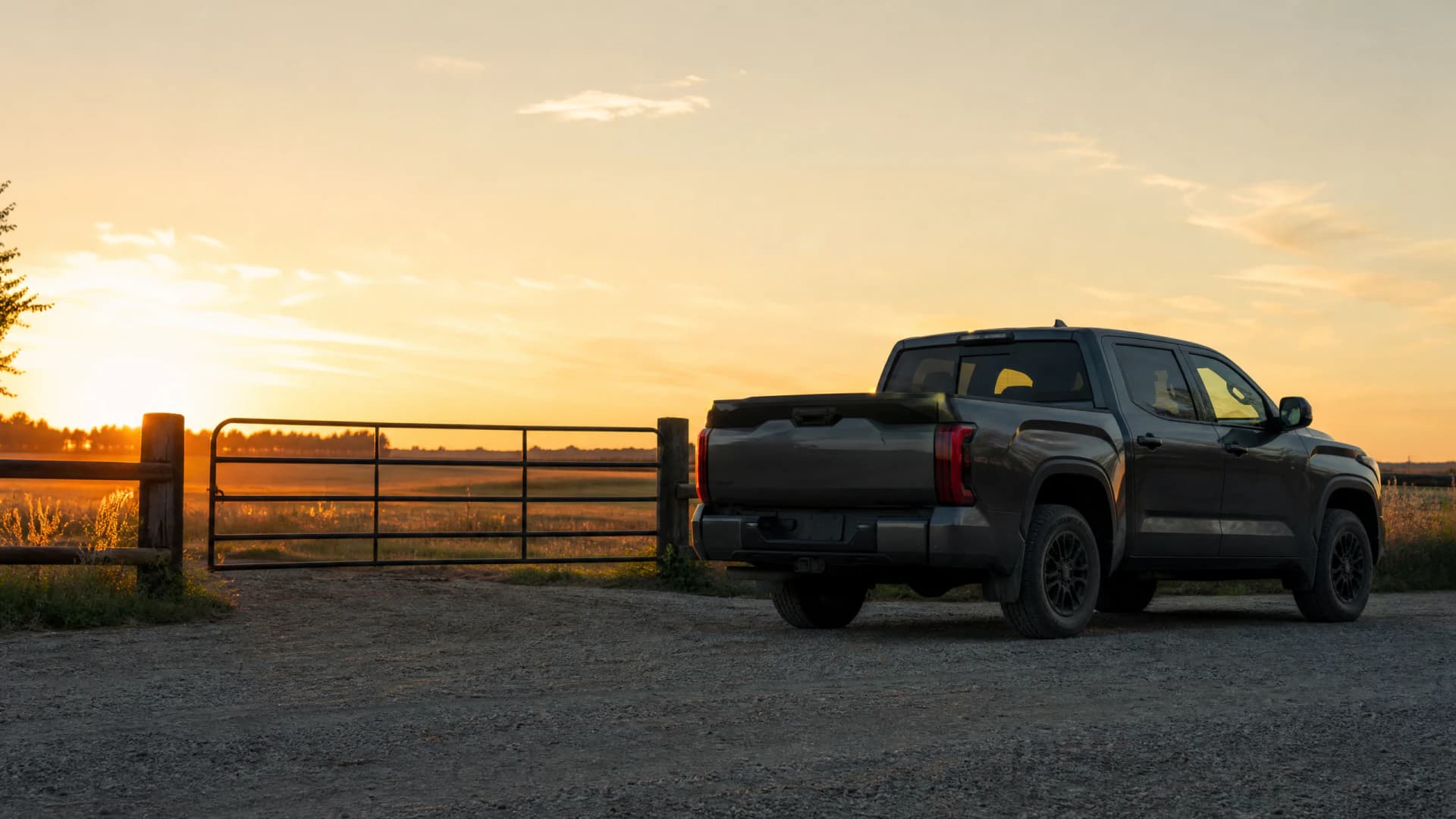
A valid license at the stop keeps the car with you. A suspended license for prior no-insurance violations gives the officer impound authority on the spot.




SR-22 Filing and Insurance After Impound
The SR-22 is not a type of insurance. It is a certificate your carrier files with the state confirming you hold a policy that meets Alaska's minimum liability limits. You purchase a standard auto insurance policy from a carrier that writes SR-22 in Alaska, then request the SR-22 filing. The carrier charges a one-time filing fee set by the insurer; Alaska imposes no separate state SR-22 fee.
Alaska requires continuous SR-22 coverage for three years from the conviction date. If your policy lapses or cancels during that period, the carrier notifies the DMV electronically, and your license suspends again immediately. You must refile SR-22 and pay another $100 reinstatement fee to restore driving privileges.
Carriers writing SR-22 in Alaska include Allstate, Farmers, Geico, Liberty Mutual, National General, Progressive, State Farm, The General, and USAA. Not all carriers write non-owner SR-22 policies; if you do not own a vehicle but need SR-22 to reinstate your license, confirm the carrier offers non-owner coverage before purchasing.
$100
Alaska Reinstatement Fee
Alaska charges a flat $100 reinstatement fee after any no-insurance suspension. The fee is paid directly to the Division of Motor Vehicles and is separate from any court fines, impound fees, or SR-22 filing fees charged by your carrier.
Alaska Division of Motor Vehicles fee schedule

Avoiding Impound on Future Stops
Carry proof of insurance in the vehicle at all times. Alaska accepts an insurance card issued by your carrier, a digital proof-of-insurance document displayed on your phone, or a printed copy of your policy declarations page. Officers accept any of these formats at a traffic stop.
If you switch carriers or add a vehicle mid-term, update your proof of insurance immediately. An expired card from a canceled policy does not satisfy the proof requirement even if your new policy is active. The officer cannot verify coverage from an outdated card, and you receive a citation for failure to provide proof.
Compare Carriers and Reinstate Coverage
If your vehicle was impounded or your license suspended for no insurance, securing SR-22 coverage and paying the reinstatement fee restores your ability to drive legally in Alaska. Compare carriers that write SR-22 in Alaska, confirm they meet the state's $50,000/$100,000/$25,000 minimum liability limits, and request SR-22 filing when you purchase the policy. Once the carrier files electronically and you pay the $100 reinstatement fee, the Division of Motor Vehicles processes your reinstatement within 10 business days. Drive with proof of insurance in the vehicle to avoid a repeat stop.
Reinstating Your License After No-Insurance Suspension
First, resolve the underlying citation. Pay the fine or complete any court-ordered requirements tied to the no-insurance conviction. The court notifies the Division of Motor Vehicles when the case closes. If you fail to resolve the citation, the DMV will not process reinstatement even if you complete the other steps.
Second, file an SR-22 certificate. Alaska requires SR-22 filing for three years after a no-insurance conviction. Contact a carrier licensed to write SR-22 in Alaska, purchase a policy that meets the state's minimum liability limits of $50,000 per person, $100,000 per accident, and $25,000 property damage, and request SR-22 filing. The carrier electronically files the certificate with the DMV. Third, pay the $100 reinstatement fee to the Division of Motor Vehicles. The DMV processes reinstatement within 10 business days of receiving the SR-22 and the fee. Your license remains suspended until all three steps clear.
Get Your Free Quote
Get My Alaska Car Insurance QuoteFrequently Asked Questions
Can Alaska police impound my car if I don't have insurance?
Alaska police can impound your car if your license is suspended or revoked, or if you have prior no-insurance convictions. A first-time no-insurance stop with a valid license results in a citation, not impoundment. The vehicle stays with you.
How long does Alaska suspend your license for no insurance?
Alaska suspends your license for 90 days after a no-insurance conviction. The suspension begins on the conviction date. You must file SR-22, pay a $100 reinstatement fee, and maintain SR-22 coverage for three years to reinstate.
What is the reinstatement fee for no insurance in Alaska?
Alaska charges a $100 reinstatement fee after a no-insurance suspension. You pay the fee directly to the Division of Motor Vehicles after filing SR-22 and resolving the underlying citation. Reinstatement processes within 10 business days.
Do I need SR-22 after a no-insurance ticket in Alaska?
Yes. Alaska requires SR-22 filing for three years after a no-insurance conviction. You purchase a policy meeting the state's minimum liability limits, request SR-22 filing from your carrier, and the carrier files electronically with the DMV.
Can someone else retrieve my impounded car in Alaska?
Yes. A household member or co-owner with a valid driver's license can retrieve your impounded vehicle by presenting proof of ownership, a valid license, and payment for towing and storage fees. The impound lot does not require proof of insurance to release the vehicle to an owner.