
Collision Coverage for Multiple Vehicles — Alaska
Free to compare
The Multi-Car Collision Question
You added a second or third vehicle to your Alaska auto policy and the carrier quoted collision coverage for each car separately. The premium jumped more than you expected, and now you are trying to decide whether you need collision on every vehicle, whether you can drop it from one or two cars to lower the total cost, or whether skipping collision entirely makes sense for your household.
Collision coverage is structured per vehicle, not per policy. Each car on your Alaska policy carries its own collision deductible and its own collision premium. A claim on one vehicle does not trigger coverage on another. That structure creates a decision point most single-car households never face: which vehicles in your household justify the collision premium, and which do not.
“Collision coverage on a multi-car policy is not all-or-nothing—you can carry it on one vehicle and drop it from another based on each car's value and use.”

Meet Alaska's Requirements Without Overpaying
Get My Alaska Car Insurance Quote679,125
Alaska Registered Vehicles
Alaska registered 679,125 motor vehicles as of 2022. Households insuring multiple vehicles represent a substantial share of that total, and each vehicle on a multi-car policy requires its own collision-coverage decision.
Alaska state insurance statistics, 2022
What Collision Coverage Actually Pays
Collision coverage pays to repair or replace your vehicle after a crash with another car, object, or rollover, regardless of fault. The coverage applies after you pay your deductible—typically $500 or $1,000—and up to the actual cash value of the vehicle at the time of the loss.
On a multi-car policy, collision operates independently for each vehicle. If you carry collision on two cars and drop it from a third, only the two covered vehicles trigger a claim payment after a collision loss. The third car is your financial responsibility to repair or replace.
Alaska does not mandate collision coverage. The state requires liability minimums of $50,000 per person, $100,000 per accident for bodily injury, and $25,000 for property damage, but collision is optional. Lenders require it on financed or leased vehicles, but once a car is paid off, the decision is yours.
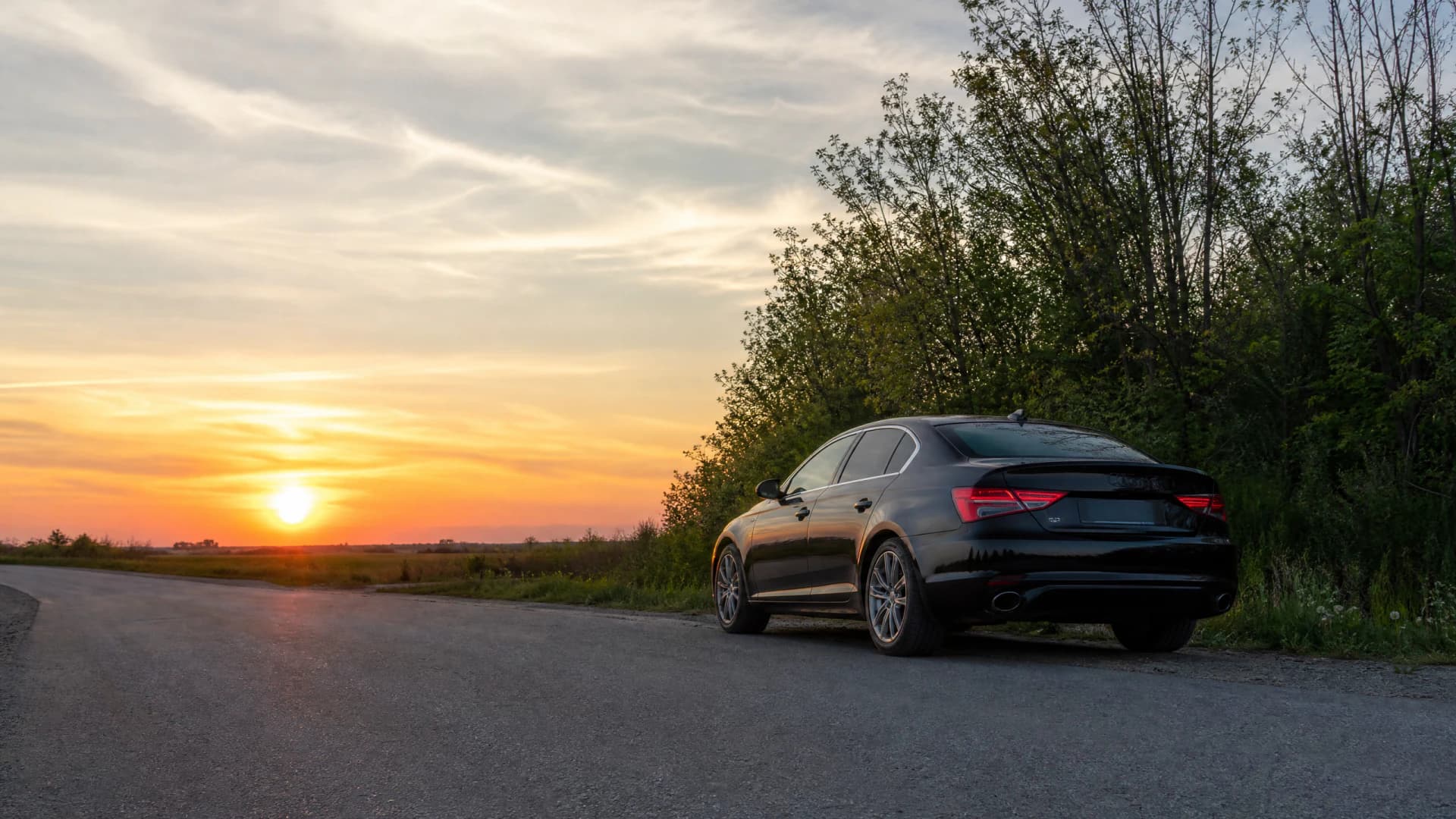
Collision coverage on a multi-car policy is not all-or-nothing. You can carry it on one vehicle and drop it from another based on each car's value, loan status, and how you use it.




Selective Coverage Across Your Household Fleet
Alaska households insuring multiple vehicles often structure collision coverage selectively: full collision on the newest or highest-value car, collision with a higher deductible on a mid-value vehicle to lower the premium, and no collision on an older paid-off car whose replacement cost is manageable out of pocket.
Deductibles apply per vehicle, not per policy. If you carry a $500 deductible on one car and a $1,000 deductible on another, a collision claim on the first car costs you $500 out of pocket, and a claim on the second costs $1,000. Raising the deductible on a lower-value vehicle lowers its collision premium without affecting coverage on your other cars.
Some carriers offer a disappearing deductible or accident-forgiveness feature that reduces your deductible after a claim-free period. These features apply per vehicle when structured that way, but not all carriers extend them to every car on a multi-car policy. Confirm with your carrier whether the feature applies to all vehicles or only the primary car.
Alaska's 12.5% uninsured motorist rate means one in eight drivers on the road carries no insurance. Collision coverage pays your repair costs after a crash with an uninsured driver when uninsured motorist property damage coverage does not apply or is unavailable. That protection matters most for your highest-value vehicle.
$50,000 / $100,000 / $25,000
Alaska Liability Minimums
Alaska requires $50,000 per person and $100,000 per accident for bodily injury liability, plus $25,000 for property damage. These minimums apply to every vehicle on your policy, but collision coverage—which protects your own cars—is optional and priced separately per vehicle.
Alaska state insurance requirements

How Dropping Collision Changes Your Total Premium
Collision premiums vary by vehicle age, value, make, model, and your household's location and driving history. Dropping collision from one vehicle on a multi-car policy lowers your total premium by that vehicle's collision cost, but it does not change the liability, comprehensive, or uninsured motorist premiums for your other cars.
Carriers calculate the multi-car discount—typically applied when you insure two or more vehicles on the same policy—before collision coverage is added or removed. Dropping collision from one car does not eliminate the multi-car discount as long as every vehicle remains on the same policy. The discount applies to the base premium; collision is an optional add-on priced separately.
Compare Carriers and Structure Coverage
Alaska licenses 15 carriers that write multi-vehicle policies with flexible collision options. Allstate, Farmers, Geico, National General, Progressive, State Farm, The General, and USAA all allow you to structure collision coverage differently across the vehicles on your policy. Some carriers price collision more competitively for older vehicles; others offer better rates for newer cars with advanced safety features.
When you compare quotes, request separate collision pricing for each vehicle. A carrier that quotes the lowest total premium may not offer the best per-vehicle collision rate, and a carrier with a higher base premium may price collision on your highest-value car more competitively. Structuring collision selectively across your fleet requires per-vehicle pricing transparency—ask every carrier to break out collision costs by car.
When Collision Makes Sense Per Vehicle
Any financed or leased vehicle requires collision coverage until the loan is satisfied or the lease ends. The lender holds a lien on the car and mandates collision to protect their interest. Once the vehicle is paid off, the requirement disappears and the decision becomes yours. For a household with one financed car and two paid-off cars, collision is mandatory on the financed vehicle and optional on the other two.
For paid-off vehicles, the decision hinges on replacement cost versus premium cost. If the car's actual cash value is high enough that replacing it out of pocket would strain your household budget, collision coverage transfers that risk to the carrier. If the car's value has depreciated to the point where the annual collision premium approaches or exceeds what you would pay to replace it, dropping collision and self-insuring makes financial sense. A conventional threshold: when a vehicle's value falls below ten times the annual collision premium, consider dropping the coverage.
Get Your Free Quote
Get My Alaska Car Insurance QuoteFrequently Asked Questions
Do I need collision coverage on every car if I insure multiple vehicles in Alaska?
No. Collision coverage is optional in Alaska unless a lender requires it on a financed or leased vehicle. You can carry collision on some cars and drop it from others based on each vehicle's value, loan status, and replacement cost. The multi-car discount applies as long as every vehicle stays on the same policy, regardless of which cars carry collision.
Does dropping collision from one car affect my multi-car discount?
No. The multi-car discount applies when you insure two or more vehicles on the same policy, and it is calculated before collision coverage is added. Dropping collision from one vehicle lowers your total premium by that car's collision cost but does not eliminate the discount as long as all vehicles remain on the policy.
Can I carry different collision deductibles on different cars?
Yes. Each vehicle on your Alaska multi-car policy can carry its own collision deductible. You might choose a $500 deductible on your newest car and a $1,000 deductible on an older vehicle to lower the premium. Deductibles apply per vehicle, so a claim on one car does not affect the deductible on another.
What happens if I drop collision and then total my car?
You pay the full replacement cost out of pocket. Collision coverage pays to repair or replace your vehicle after a crash regardless of fault, minus your deductible. Without collision, you receive no claim payment for damage to your own car, even if the other driver is uninsured or flees the scene.
Which Alaska carriers let me structure collision coverage differently across my vehicles?
Allstate, Farmers, Geico, National General, Progressive, State Farm, The General, and USAA all write multi-vehicle policies in Alaska and allow you to add or drop collision per vehicle. Request per-vehicle collision pricing when you compare quotes to see which carrier offers the best rate for each car in your household.