
Roadside Assistance on Multi-Car Policies — Alaska
Free to compare
The Per-Vehicle Roadside Question
You manage a multi-car policy in Alaska. Your carrier offers roadside assistance as an optional add-on. The decision looks simple until you realize the charge applies separately to each vehicle on the policy, not once to the household.
The structural reality: roadside assistance on a multi-car policy is a per-vehicle product, not a household service. Every car you add multiplies the cost. That changes the value calculation for households with vehicles that already carry manufacturer roadside programs, classic cars driven seasonally, or a third vehicle used only for errands within town.
“Roadside assistance on a multi-car policy charges per vehicle. Adding it to every car multiplies the cost even when some already carry manufacturer coverage.”

Meet Alaska's Requirements Without Overpaying
Get My Alaska Car Insurance Quote$1,112.96
Alaska Average Annual Auto Expenditure
Alaska drivers spend an average of $1,112.96 per insured vehicle annually on auto insurance, according to 2023 NAIC data. Adding roadside assistance to multiple vehicles increases that baseline.
NAIC Auto Insurance Database Report 2023
How Roadside Assistance Charges Stack Across Vehicles
Roadside assistance on a multi-car policy works like collision or comprehensive coverage: it attaches to a specific vehicle, not to the policy as a whole. If you add it to Vehicle A, only Vehicle A is covered. If you want coverage on Vehicle B, you pay the add-on charge again. The per-vehicle structure means a household insuring four cars pays four times the monthly roadside fee.
That range holds whether you insure one car or five. The discount structure that applies to liability and physical-damage coverage when you add a second or third vehicle does not extend to roadside assistance. Each vehicle carries the full per-vehicle charge.
This stacking cost matters most when one or more vehicles on your policy already carry manufacturer roadside coverage. New vehicles often include three to five years of roadside assistance through the automaker. Paying your carrier for duplicate coverage on that vehicle wastes the monthly charge until the manufacturer program expires.
Roadside assistance on a multi-car policy charges per vehicle, not per household. Adding it to every car multiplies the cost even when some vehicles already carry manufacturer coverage.

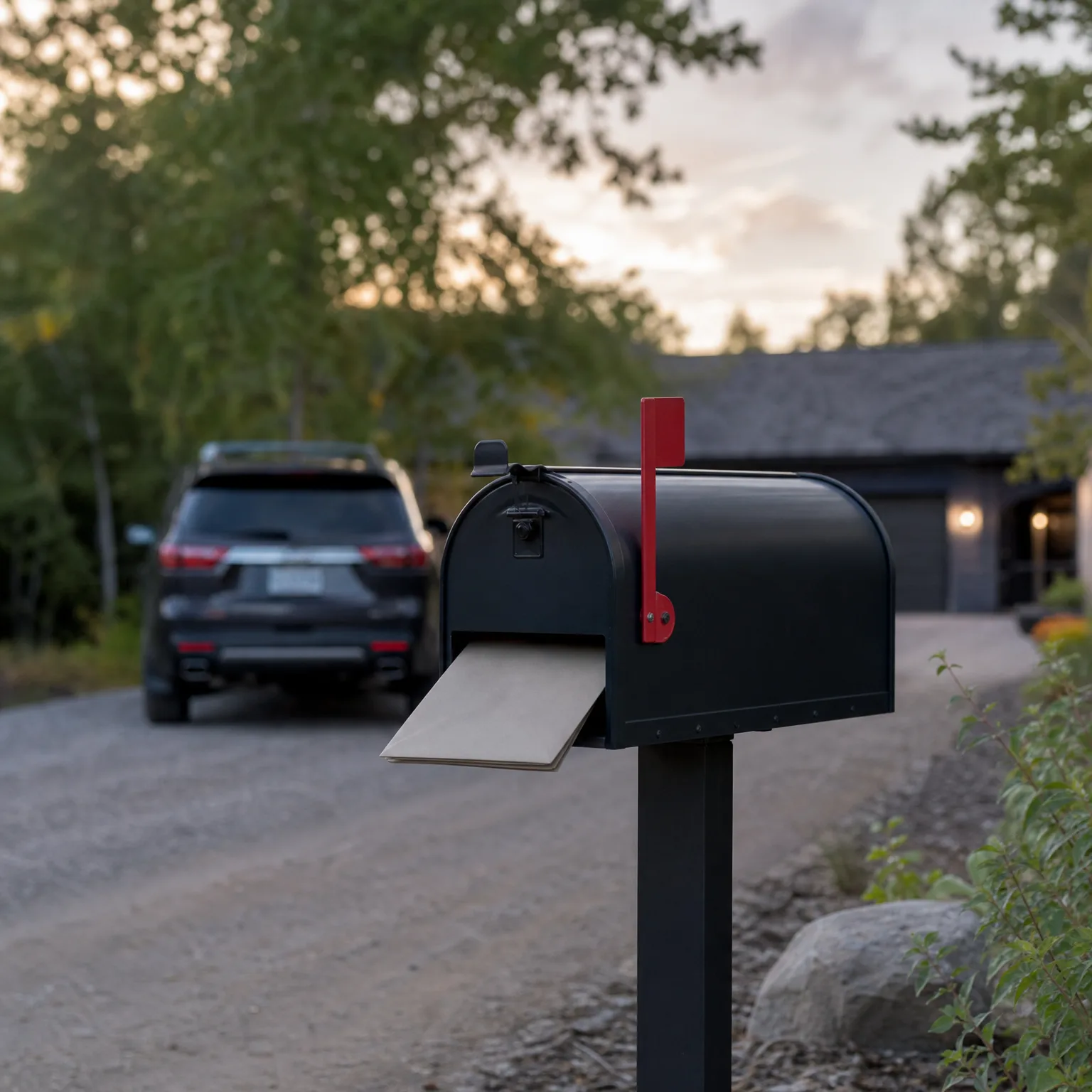


When to Add Roadside Selectively
Most multi-car households in Alaska benefit from selective roadside coverage: adding it to the vehicles that need it and skipping it on cars that already carry manufacturer programs or rarely leave town. Start by checking each vehicle's existing coverage. New cars typically include roadside assistance for three to five years from the purchase date. If a vehicle on your policy is still within that window, adding carrier roadside duplicates coverage you already pay for through the vehicle price.
Next, evaluate driving patterns. A car driven daily on highways between Anchorage and Palmer faces different breakdown risk than a vehicle used twice a week for grocery runs within city limits. Add roadside to the high-mileage vehicle and skip it on the low-use car. The same logic applies to seasonal vehicles: a truck driven only during hunting season or a classic car garaged eight months a year does not justify year-round roadside charges.
Finally, consider driver experience. If one household member is uncomfortable managing a breakdown, add roadside to their vehicle even if it carries manufacturer coverage. The overlap cost is small compared to the value of a familiar service number during a roadside emergency.
12.5%
Alaska Uninsured Motorist Rate
Approximately 12.5% of Alaska motorists drive uninsured, according to 2023 data. Roadside assistance does not protect against uninsured drivers, but it does reduce the chance of being stranded in areas where help is sparse.
Insurance Information Institute, 2023

Manufacturer Coverage and Policy Overlap
Manufacturer roadside programs and carrier roadside assistance overlap in most services: towing, jump-starts, flat tire changes, lockout assistance, and fuel delivery. The primary difference is the towing distance limit. Manufacturer programs typically cover towing to the nearest dealership regardless of distance, while carrier programs cap towing at 15 to 50 miles depending on the add-on tier you select. In Alaska, where the nearest dealership may be 100 miles away, manufacturer coverage often provides better towing protection than a carrier add-on.
When a vehicle on your multi-car policy carries active manufacturer roadside coverage, adding carrier roadside creates redundancy without expanding service. You cannot stack the two programs to extend towing distance or increase the number of service calls per year. The manufacturer program handles the call, or the carrier program does. Paying both wastes the carrier charge until the manufacturer program expires.
Compare Carriers and Add Roadside Where It Fits
Roadside assistance on a multi-car Alaska policy works best when applied selectively to the vehicles that need it. Check each car's existing manufacturer coverage, evaluate driving patterns and mileage, and add the carrier roadside option only to vehicles without duplicate protection. The per-vehicle charge structure means thoughtful selection saves money without leaving your household under-covered. Compare carriers that write multi-car policies in Alaska and structure roadside coverage to match your household's actual risk, not a blanket add-on across every vehicle.
When to Add Roadside to Every Vehicle
Add roadside assistance to every vehicle when all cars on the policy are older than five years and no longer carry manufacturer programs, when household members drive long commutes or rural routes where towing distance increases cost, or when you want a single point of contact for service calls rather than managing multiple roadside providers. Alaska's remote areas and winter conditions make roadside assistance more valuable than in states with dense urban networks and mild weather year-round.
Households with teenage drivers often add roadside to every vehicle because new drivers face higher breakdown risk and benefit from a carrier-managed service call rather than navigating a tow on their own. If every car on your policy is driven daily and none carry manufacturer coverage, the per-vehicle charge becomes a predictable household expense rather than a duplicative cost.
Get Your Free Quote
Get My Alaska Car Insurance QuoteFrequently Asked Questions
Does roadside assistance cover every vehicle on my Alaska multi-car policy?
No. Roadside assistance attaches to specific vehicles, not to the policy as a whole. You pay a separate charge for each vehicle you want covered. If you add it to two of three cars on your policy, only those two vehicles receive roadside service.
Can I add roadside assistance to just one vehicle on a multi-car policy?
Yes. Alaska carriers allow you to add roadside assistance selectively. You can cover one vehicle, all vehicles, or any combination. The per-vehicle charge applies only to the cars you select for coverage.
Does manufacturer roadside coverage replace the need for carrier roadside assistance?
In most cases, yes. Manufacturer programs cover the same services as carrier add-ons: towing, jump-starts, flat tire changes, and lockout assistance. If your vehicle is still within the manufacturer coverage window, adding carrier roadside duplicates protection you already have.
How much does roadside assistance cost per vehicle in Alaska?
The charge applies separately to each vehicle you add to coverage, so a three-car policy with roadside on every vehicle costs three times the per-vehicle rate.
Does the multi-car discount apply to roadside assistance?
No. The multi-car discount reduces liability and physical-damage premiums when you insure multiple vehicles on one policy, but it does not reduce the per-vehicle roadside assistance charge. Each vehicle pays the full add-on rate.
Should I add roadside assistance to a vehicle I rarely drive?
Typically no. A vehicle driven infrequently faces lower breakdown risk than a daily commuter. If the car stays local and is used only for errands, the roadside charge often exceeds the value of coverage. Add roadside to high-mileage vehicles first.