
Minimum Coverage vs Full Coverage — Alaska
Free to compare
The Multi-Vehicle Minimum Coverage Question
You own two or more vehicles in Alaska, and you're weighing whether to carry the state's $50,000 per person / $100,000 per accident / $25,000 property damage minimum on every car, or whether to step up to full coverage on some or all of them. The decision feels straightforward when you're insuring one car. When you're managing multiple vehicles on a single policy, the math and the risk exposure both change.
Alaska does not require collision or comprehensive coverage by law. The state mandates only liability insurance: bodily injury coverage of at least $50,000 per person and $100,000 per accident, plus $25,000 in property damage coverage. If you own your vehicles outright and no lender requires physical-damage coverage, you can legally drive with liability-only on every car. The question is whether that minimum protects your household when one of your vehicles causes a claim that exceeds those limits.
“A multi-vehicle household's $100,000 per-accident liability cap is shared across all victims in a single crash, not multiplied by the number of cars on the policy.”
Meet Alaska's Requirements Without Overpaying
Get My Alaska Car Insurance Quote$100,000
Alaska Per-Accident Bodily Injury Cap
Alaska's minimum liability limit is $100,000 per accident for bodily injury. When one vehicle on your multi-car policy causes an accident injuring multiple people, that $100,000 cap applies to the entire incident, not per injured party. A two-car collision with serious injuries can exceed that threshold quickly.
Alaska Division of Motor Vehicles
What Minimum Coverage Actually Covers Across Multiple Vehicles
Minimum liability coverage pays for injuries and property damage you cause to others. It does not pay to repair or replace your own vehicle after a collision, theft, vandalism, or weather damage. When you carry minimum coverage on a multi-car policy, each vehicle is covered for liability up to the policy limits, but none of your cars are covered for physical damage.
The $50,000 per person / $100,000 per accident bodily injury limit means Alaska will accept proof of insurance showing those minimums, but the per-accident cap is shared across all victims in a single incident. If your teenager driving one of your household's cars causes a crash that injures three people, the $100,000 per-accident limit is the total available for all three claims combined. Once that limit is exhausted, your household assets are exposed to the remainder.
The $25,000 property damage minimum covers damage your vehicle causes to someone else's car, fence, building, or other property. A collision with a new pickup truck or a luxury sedan can exceed $25,000 in repair costs.
Minimum coverage does not include collision coverage, which pays to repair your own vehicle after a crash regardless of fault, or comprehensive coverage, which pays for theft, vandalism, hail, fire, and animal strikes. If you're managing two or more vehicles and one is totaled in a collision you caused, minimum liability leaves you without a car and without reimbursement. You replace the vehicle entirely from household funds.
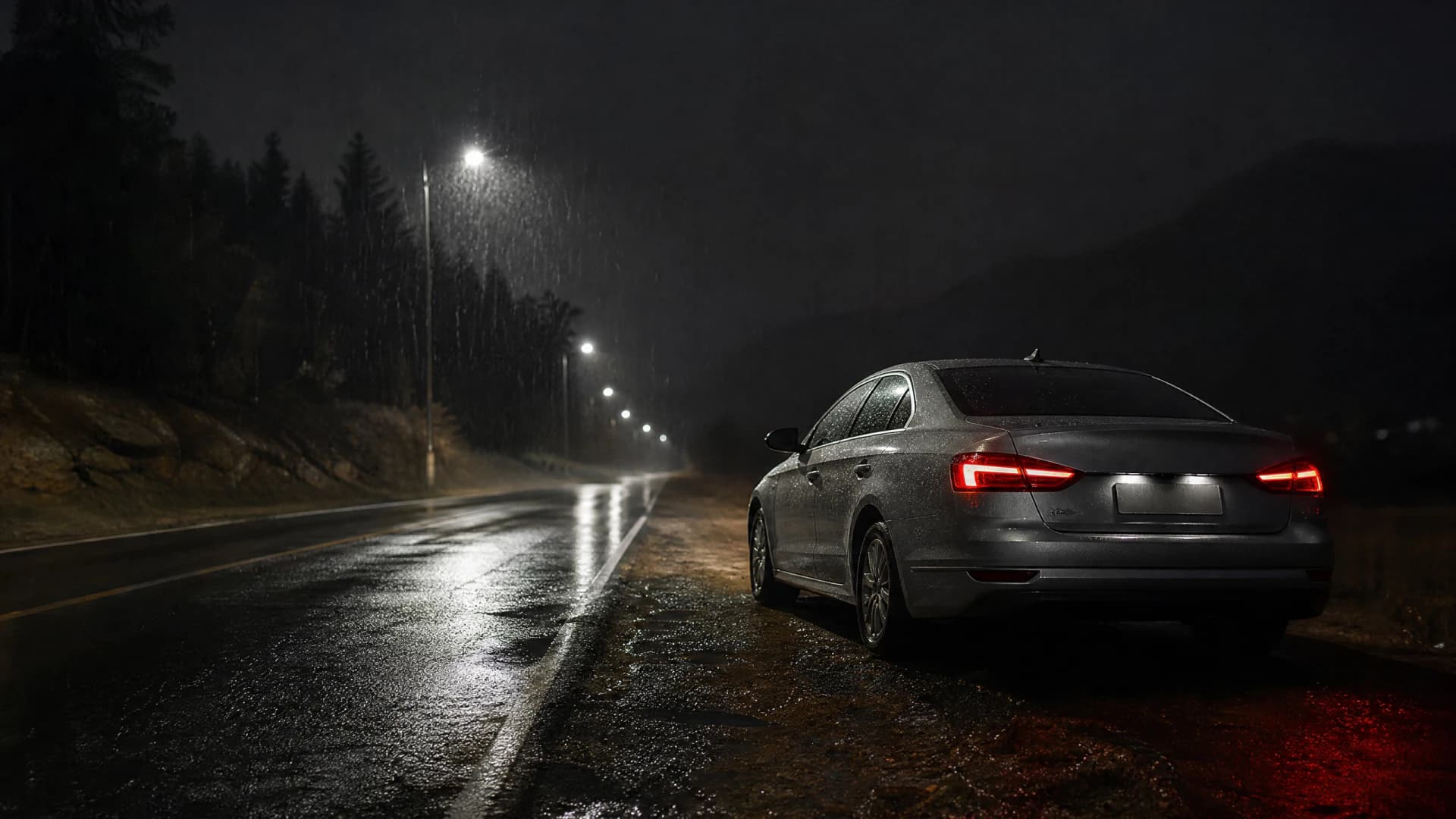
A multi-car household with minimum coverage on every vehicle risks losing multiple cars to theft, weather, or collision with no insurance reimbursement — and faces personal liability when one vehicle causes a claim exceeding the $100,000 per-accident cap.

How Policy Structure Changes the Minimum vs Full Coverage Decision
When you insure multiple vehicles on one policy, the liability limits apply per accident, not per vehicle. The $100,000 per-accident cap is the maximum the policy pays for all bodily injury claims arising from a single incident, regardless of which vehicle on the policy caused the accident. This shared-limit structure means a multi-vehicle household's total liability exposure is the same as a single-vehicle household's exposure when one car causes a serious crash.
Collision and comprehensive coverage, by contrast, apply per vehicle. If you add full coverage to a three-car policy, each vehicle receives its own collision and comprehensive protection. You can file a theft claim on one car, a hail-damage claim on another, and a collision claim on the third, all within the same policy term, and each claim is paid separately up to that vehicle's actual cash value. The per-vehicle structure of physical-damage coverage makes full coverage on a multi-car policy a multiplicative decision: you're buying collision and comprehensive protection for every car you list, and the household's total physical-damage coverage scales with the number of vehicles.
This asymmetry creates a strategic decision point. Liability coverage does not scale with vehicle count, so adding a third or fourth car to your policy does not increase your household's liability protection. Physical-damage coverage does scale with vehicle count, so adding full coverage to multiple cars increases your household's total reimbursement capacity after theft, weather, or collision losses. A household that cannot afford to replace two or three vehicles out of pocket after a theft or total-loss collision faces greater financial risk with minimum coverage than a household insuring one car.
247 per 100k
Alaska Motor Vehicle Theft Rate
Alaska recorded 247 motor vehicle thefts per 100,000 population in 2024. A household insuring three vehicles with minimum liability-only coverage has no theft reimbursement if one or more cars are stolen. Comprehensive coverage pays the actual cash value of a stolen vehicle, minus the deductible.
FBI Uniform Crime Reporting Program, 2024
Structuring Coverage Across Multiple Vehicles
You do not have to carry the same coverage on every vehicle. Alaska law requires liability minimums on every car you register, but collision and comprehensive are optional on all vehicles unless a lender requires them. A household insuring a new financed SUV, a paid-off sedan, and an older pickup can carry full coverage on the financed vehicle to satisfy the lender, liability-only on the paid-off sedan, and full coverage on the pickup if it is used for work or carries tools and equipment. Mixing coverage levels within a single multi-car policy is standard practice.
The decision typically turns on vehicle value and replaceability. If losing a vehicle to theft or a total-loss collision would force you to take on debt or disrupt household transportation, full coverage on that vehicle makes sense. If you could replace the vehicle from savings without financial strain, and the vehicle's market value is low enough that annual collision and comprehensive premiums approach or exceed the vehicle's worth, liability-only becomes the more rational choice.
Compare Carriers Writing Multi-Vehicle Policies in Alaska
Fourteen carriers write auto insurance in Alaska, including Allstate, Farmers, Geico, Progressive, State Farm, and USAA. Not all carriers offer the same multi-car discount structure, and not all price liability-only and full coverage the same way across multiple vehicles. A carrier that prices minimum coverage competitively may price full coverage higher than competitors, and vice versa. When you're structuring coverage across two or more vehicles, comparing quotes from multiple carriers on the exact coverage mix you need — liability-only on some cars, full coverage on others — surfaces the policy structure that fits your household.
Request quotes that reflect your actual vehicle mix and coverage decisions. If you plan to carry full coverage on two vehicles and liability-only on a third, ask each carrier to quote that structure. The multi-car discount typically applies when all vehicles sit on the same policy, but the discount's value and the base premium both vary by carrier. A smaller discount on a lower base premium can produce a better total cost than a larger discount on a higher base. Alaska's minimum liability requirements and carrier roster give you the baseline; comparing quotes on your specific multi-vehicle structure gives you the actual decision point.
Full Coverage Adds Collision and Comprehensive
Collision coverage pays to repair or replace your vehicle after a crash with another car or object, regardless of who caused the accident. Comprehensive coverage pays for theft, vandalism, fire, hail, flooding, falling objects, and animal strikes. When you add both to a multi-car policy, each vehicle listed on the policy receives its own collision and comprehensive protection, subject to the deductible you select. A household insuring three cars with full coverage can file a comprehensive claim for one stolen vehicle and a collision claim for another vehicle damaged in a crash, and both are covered under the same policy term.
Full coverage does not mean unlimited coverage. Collision and comprehensive each pay up to the actual cash value of the vehicle at the time of loss, minus your deductible. If you're carrying a $500 deductible and your vehicle is totaled, the insurer pays the vehicle's pre-loss market value minus $500. The deductible applies per claim, not per vehicle, so a household filing claims on two vehicles in the same policy term pays the deductible twice. Liability limits remain separate: full coverage raises your physical-damage protection but does not automatically increase your bodily injury or property damage liability limits unless you request higher limits when structuring the policy.
Get Your Free Quote
Get My Alaska Car Insurance QuoteFrequently Asked Questions
Does Alaska require full coverage on all vehicles in a multi-car household?
No. Alaska requires only liability insurance: $50,000 per person, $100,000 per accident for bodily injury, and $25,000 for property damage. Collision and comprehensive coverage are optional unless a lender requires them. You can carry liability-only on some vehicles and full coverage on others within the same multi-car policy.
If I have three cars on one policy, does that triple my liability coverage?
No. Liability limits apply per accident, not per vehicle. A policy with three cars and Alaska's $100,000 per-accident bodily injury limit pays a maximum of $100,000 for all bodily injury claims from a single incident, regardless of which vehicle caused the crash. Adding vehicles does not increase your household's total liability protection.
Can I carry full coverage on one vehicle and minimum coverage on another on the same policy?
Yes. You can structure coverage differently for each vehicle on a multi-car policy. A household might carry full coverage on a financed vehicle to satisfy the lender and liability-only on a paid-off older car. Each vehicle's coverage is listed separately on the policy declarations.
What happens if one of my cars is stolen and I only have minimum liability coverage?
Minimum liability coverage does not pay for theft. You lose the vehicle with no insurance reimbursement. Comprehensive coverage pays the actual cash value of a stolen vehicle, minus your deductible. A multi-vehicle household with liability-only on every car has no theft protection on any of them.
How does the multi-car discount work when I mix liability-only and full coverage?
The multi-car discount typically applies when all vehicles sit on the same policy, regardless of whether each vehicle carries liability-only or full coverage. The discount reduces the total premium, but the base premium for each vehicle depends on its coverage level. Mixing coverage types does not disqualify the policy from the multi-car discount.
Does full coverage mean I have unlimited protection for all my vehicles?
No. Full coverage means liability plus collision and comprehensive. Collision and comprehensive each pay up to the actual cash value of the vehicle at the time of loss, minus your deductible. Liability limits remain separate and do not increase automatically when you add physical-damage coverage.