
Property Damage Liability Coverage — Alaska
Free to compare
Alaska Requires Property Damage Liability Coverage
Alaska law requires every driver to carry property damage liability coverage with a minimum limit of $25,000. This coverage is not optional. You cannot register a vehicle, renew your registration, or legally drive without proof of it. The Alaska Division of Motor Vehicles enforces this requirement at registration and can suspend your driving privileges if you drop coverage after registering.
Property damage liability pays for damage your vehicle causes to someone else's property in an accident you cause. It does not pay for damage to your own vehicle. Many drivers confuse this mandatory coverage with collision coverage, which is optional and covers your own car. The state cares only that you can pay for damage you cause to others.
“Property damage liability is mandatory; collision coverage on your own vehicle is optional.”

Meet Alaska's Requirements Without Overpaying
Get My Alaska Car Insurance Quote$25,000
Alaska Property Damage Minimum
Alaska Statutes require $25,000 property damage liability as the minimum coverage to register and drive. This limit applies per accident, not per vehicle damaged. If you cause an accident that damages multiple vehicles or structures, the $25,000 is the total your policy pays across all property.
Alaska Division of Motor Vehicles, statutory minimum liability requirements
What Property Damage Liability Covers
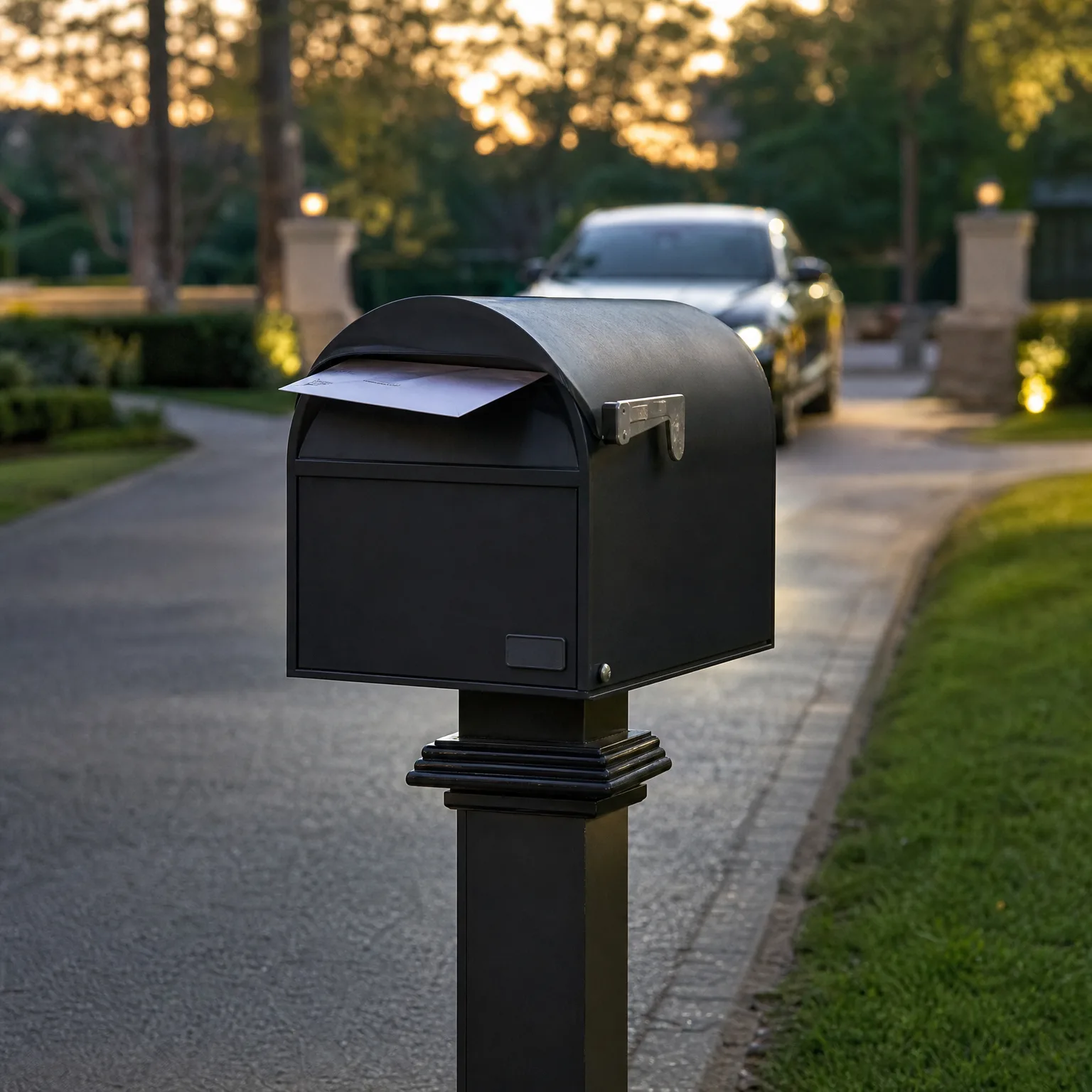
Property damage liability pays for physical damage your vehicle causes to another person's property when you are at fault. The most common claims are damage to another driver's vehicle, but the coverage also pays for damage to fences, buildings, mailboxes, guardrails, and other structures you hit. It does not pay for damage to your own vehicle, your own property, or injuries to people.
The $25,000 minimum is a per-accident limit. Higher limits protect you from out-of-pocket costs when damage exceeds the minimum.
Alaska does not require uninsured motorist property damage coverage, which would pay for damage to your vehicle when an uninsured driver hits you. Property damage liability only pays when you cause the damage.
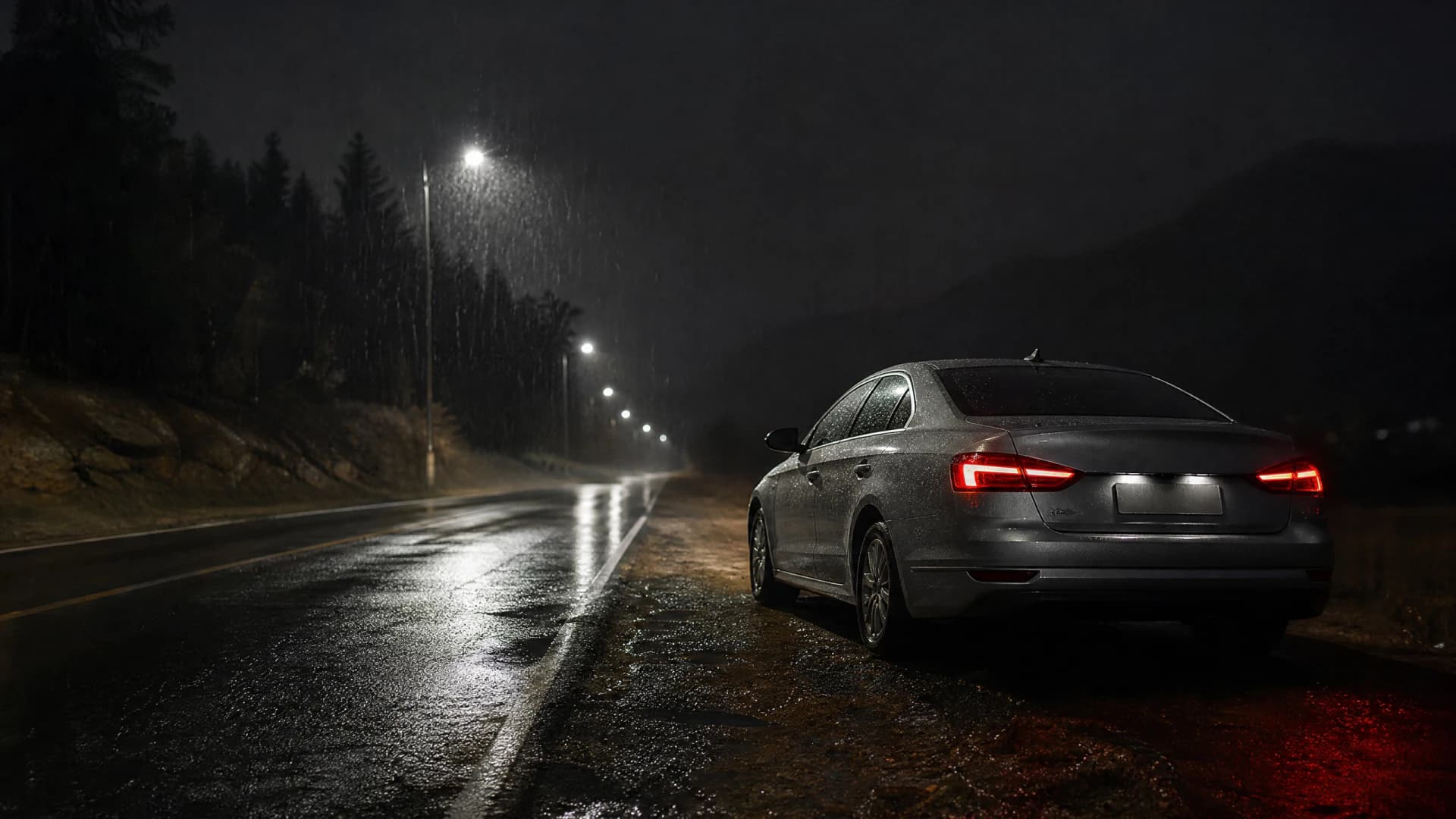
Property damage liability is mandatory; collision coverage on your own vehicle is optional. You need liability to register. You choose collision based on your vehicle's value.


Property Damage Liability Versus Collision Coverage
Property damage liability and collision coverage both involve vehicle damage, but they cover opposite scenarios. Property damage liability is mandatory and pays for damage you cause to someone else's property. Collision coverage is optional and pays for damage to your own vehicle, regardless of fault. You can carry property damage liability without collision, but you cannot legally drive without property damage liability.
Collision coverage makes sense when your vehicle's value justifies the premium and deductible. The decision is economic, not legal.
Alaska does not mandate collision coverage, even for financed vehicles. Lenders require it as a loan condition, but the state does not. If you own your vehicle outright and choose to drop collision, you still must carry the $25,000 property damage liability minimum to keep your registration valid.
12.5%
Alaska Uninsured Motorist Rate
12.5% of Alaska motorists drive without insurance, according to 2023 data. When an uninsured driver causes an accident, your property damage liability does not help you. Optional uninsured motorist property damage coverage or collision coverage would pay for your vehicle's damage in that scenario.
Insurance Research Council, 2023 uninsured motorist statistics
Choosing a Property Damage Liability Limit Above the Minimum
The $25,000 minimum property damage liability limit is often insufficient when you cause significant damage. A collision involving two newer vehicles can easily exceed $25,000 in combined repair costs. Damage to a building, a commercial vehicle, or multiple passenger vehicles in a single accident can reach six figures. When your liability limit is exhausted, you pay the excess out of pocket.
Higher property damage liability limits cost relatively little compared to the financial protection they provide. Increasing from $25,000 to $50,000 or $100,000 typically adds a modest amount to your premium, but doubles or quadruples your protection.
Compare Carriers That Write Property Damage Liability in Alaska
Fourteen carriers write auto insurance in Alaska, all offering property damage liability coverage that meets or exceeds the $25,000 state minimum. Carriers differ in how they price higher limits, how they bundle property damage with bodily injury, and whether they offer uninsured motorist property damage as an optional add-on. State Farm, GEICO, Progressive, Allstate, and Farmers are the largest writers in the state and offer online quoting. USAA serves military-affiliated households with competitive rates and higher standard limits.
Compare quotes from at least three carriers. Request quotes for $25,000, $50,000, and $100,000 property damage limits to see the cost difference. Many drivers find the incremental cost to double or triple their property damage limit is small enough to justify the added protection. Use the comparison tool to request quotes from carriers licensed in Alaska and see how property damage limits affect your total premium.
How Alaska Enforces the Property Damage Requirement
When you register a vehicle in Alaska, the Division of Motor Vehicles requires proof of insurance that meets the state's minimum liability limits: $50,000 bodily injury per person, $100,000 bodily injury per accident, and $25,000 property damage. Your insurer files proof electronically or you provide a paper insurance card. Registration is denied without proof. The DMV does not accept a binder or an application for coverage; you must have active coverage at the time of registration.
After registration, Alaska law requires continuous coverage. If your insurer cancels your policy or you drop coverage, the insurer notifies the DMV. The DMV suspends your registration and your driving privileges. Driving without insurance after a suspension adds criminal penalties and extends the suspension period.
Get Your Free Quote
Get My Alaska Car Insurance QuoteFrequently Asked Questions
Is property damage liability required in Alaska?
Yes. Alaska requires $25,000 minimum property damage liability coverage to register a vehicle and legally drive. You cannot register or renew registration without proof of coverage, and the DMV suspends your driving privileges if you drop coverage after registering.
What does property damage liability cover in Alaska?
Property damage liability pays for physical damage your vehicle causes to another person's property when you are at fault. It covers damage to other vehicles, fences, buildings, guardrails, and other structures. It does not cover damage to your own vehicle or property.
Is $25,000 property damage liability enough in Alaska?
$25,000 is the legal minimum, but it is often insufficient when you cause significant damage. A collision involving two newer vehicles can exceed $25,000 in combined repair costs. Higher limits protect you from out-of-pocket costs when damage exceeds your policy limit.
Does property damage liability cover my own vehicle?
No. Property damage liability covers damage you cause to someone else's property. Damage to your own vehicle requires optional collision coverage or uninsured motorist property damage coverage, depending on who caused the accident.
What happens if I drive without property damage liability in Alaska?
Driving without property damage liability is illegal in Alaska. The DMV suspends your registration and driving privileges. Driving during a suspension adds criminal penalties.
Can I buy property damage liability without collision coverage?
Yes. Property damage liability is mandatory; collision coverage is optional. You can carry liability-only coverage that meets Alaska's minimums without adding collision. Collision makes sense when your vehicle's value justifies the premium and deductible.