Continuous Car Insurance Coverage — Alaska
Free to compare
What Alaska Law Actually Requires
You own multiple vehicles and you're trying to decide whether Alaska law forces you to keep insurance active on all of them, even the ones sitting in your driveway. The short answer: Alaska does not mandate continuous coverage on every vehicle you own. The state requires proof of insurance when you register a vehicle and after certain violations, but it does not monitor whether coverage stays active between those checkpoints.
This creates a structural gap that confuses households with multiple cars. You must carry at least $50,000 per person and $100,000 per accident in bodily injury liability, plus $25,000 in property damage, on any vehicle you drive on public roads. But if a car sits garaged and undriven, Alaska does not require you to maintain coverage on it. The confusion arises because registration and insurance are linked at the DMV, but enforcement of continuous coverage is not.
“Alaska checks insurance at registration but does not monitor coverage day-to-day unless you trigger a violation or file SR-22.”
Meet Alaska's Requirements Without Overpaying
Get My Alaska Car Insurance Quote$50,000/$100,000/$25,000
Alaska Minimum Liability Limits
These are the minimum bodily injury and property damage liability amounts required to register and legally drive a vehicle in Alaska. Coverage must be active whenever the vehicle is operated on public roads.
Alaska Division of Motor Vehicles
The Registration Checkpoint vs Day-to-Day Enforcement
Alaska checks insurance at registration. When you register a vehicle or renew registration, the DMV verifies that you have active coverage meeting the state minimums. That checkpoint is strict. You cannot complete registration without proof of insurance that meets the $50,000/$100,000/$25,000 liability floor.
But once registration is complete, Alaska does not continuously monitor whether your policy stays active. The state does not operate a real-time insurance verification system that flags lapsed coverage the day it happens. If you drop coverage on a registered vehicle and do not drive it, the state will not know unless you are pulled over, involved in an accident, or trigger another enforcement event.
This matters for households with multiple vehicles because you can legally register three cars, insure all three to complete registration, then drop coverage on the car you park for the winter. Alaska law does not penalize that decision unless you drive the uninsured car or get caught in a compliance check after a violation.

Alaska requires proof of insurance at registration, not continuous monitoring afterward. The enforcement gap means you can drop coverage on a garaged vehicle without immediate penalty.


How This Affects Multi-Vehicle Households
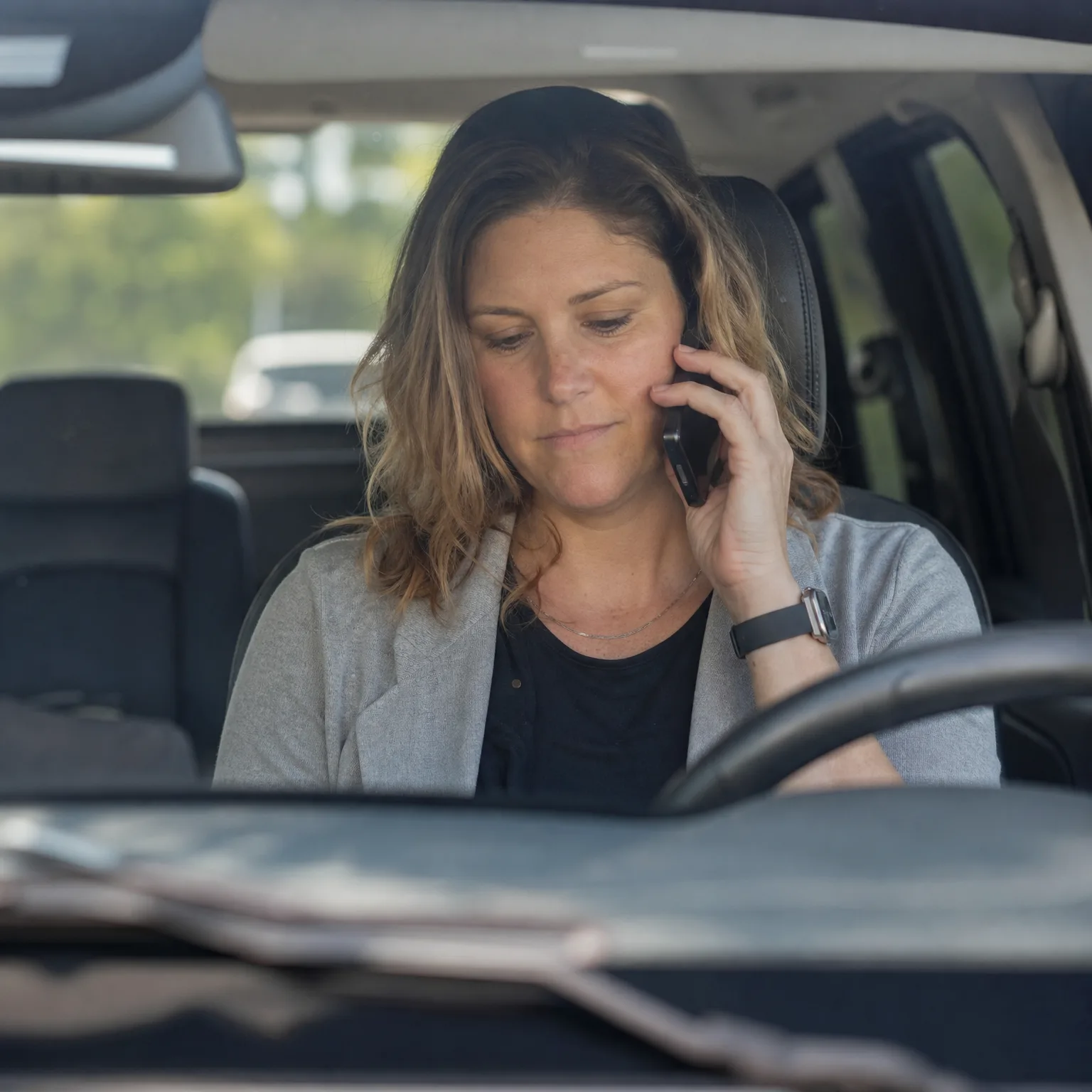
Households with three or four vehicles often ask whether they can drop coverage on the car they drive least. The answer depends on whether you will drive it at all. If the vehicle stays parked all winter and you are certain no one in the household will use it, you can drop coverage and save the premium. If there is any chance someone drives it, even once, keep at least liability coverage active.
Carriers structure multi-car policies around the assumption that every vehicle on the policy is driven. If you drop a vehicle from the policy mid-term, the carrier re-rates the remaining vehicles and you lose the multi-car discount on the dropped car. When you add it back later, the policy re-rates again. Some households find it cheaper to keep liability-only coverage on a rarely-driven car than to drop and re-add it twice a year.
Alaska does not require you to notify the DMV when you drop coverage on a registered vehicle, but your carrier will. If the DMV receives a cancellation notice and your registration is still active, the state may send a compliance letter asking you to prove you either re-insured the vehicle or stopped driving it. Ignoring that letter can trigger a suspension.
12.5%
Alaska Uninsured Motorist Rate
One in eight Alaska drivers operates without insurance. Uninsured and underinsured motorist coverage protects you when an at-fault driver cannot pay for damage they cause. It is optional in Alaska but recommended for households with multiple vehicles.
Insurance Information Institute, 2023

The SR-22 Exception and Violation-Triggered Monitoring
If you are required to file SR-22 proof of financial responsibility after a DUI, license suspension, or uninsured-driving conviction, Alaska does monitor your coverage continuously. The SR-22 filing period lasts three years, and your carrier notifies the DMV immediately if your policy lapses. A lapse triggers automatic suspension of your driving privileges.
During the SR-22 period, you must maintain continuous coverage on at least one vehicle. If you own multiple cars, you can insure one with SR-22 and drop coverage on the others, but the SR-22 vehicle must stay insured without interruption. If you cancel that policy, the DMV suspends your license within days. This is the only scenario where Alaska enforces continuous coverage in real time.
Compare Carriers That Write Multi-Vehicle Policies in Alaska
Fourteen carriers write auto insurance in Alaska, and most offer multi-car discounts when you insure two or more vehicles on the same policy. The discount applies only when every vehicle sits on one policy and shares the same garaging address. If you drop a vehicle from the policy, you lose the discount on that car.
Carriers that write multi-vehicle policies in Alaska include Allstate, Farmers, Geico, Progressive, State Farm, USAA, and others. Compare quotes for your full household — every vehicle you plan to drive — and ask each carrier how dropping a vehicle mid-term affects your premium. Some carriers let you suspend coverage on a garaged vehicle without removing it from the policy; others require you to drop it entirely. Use the site's comparison tool to see which carriers write policies for households with your vehicle count and driving profile.
When Coverage Must Stay Active
Any vehicle driven on Alaska roads must carry active liability coverage meeting the state minimums. This applies the moment you start the engine and pull onto a public street. If you are pulled over or involved in an accident, the officer or other driver will request proof of insurance. Failure to provide it triggers penalties: a $500 fine for a first offense, potential license suspension, and a requirement to file SR-22 proof of financial responsibility for three years.
If a vehicle is garaged, parked on private property, and not driven, Alaska does not require you to maintain coverage. You can drop the policy, cancel the registration, or leave the registration active with no insurance. The risk is entirely yours: if someone else drives the car without your knowledge, or if you forget and drive it to the store, you are operating an uninsured vehicle and face the penalties above. Many households keep liability-only coverage on garaged vehicles to avoid that risk, but the state does not mandate it.
Get Your Free Quote
Get My Alaska Car Insurance QuoteFrequently Asked Questions
Does Alaska require continuous car insurance on every vehicle I own?
No. Alaska requires proof of insurance when you register a vehicle and whenever you drive it on public roads, but the state does not mandate continuous coverage on vehicles that sit garaged and undriven. If you drop coverage on a parked car, Alaska will not penalize you unless you drive it or trigger a compliance check.
What happens if I let my car insurance lapse in Alaska?
If you are not required to file SR-22, Alaska does not monitor lapsed coverage in real time. You face penalties only if you are pulled over, involved in an accident, or caught driving without insurance. A first offense carries a $500 fine and potential license suspension. If you are on SR-22, a lapse triggers automatic suspension within days.
Can I drop insurance on a car I'm not driving in Alaska?
Yes. Alaska does not require you to insure a vehicle you do not drive. If the car sits garaged on private property and no one operates it, you can drop coverage without penalty. The risk is yours: if someone drives it, even once, you are operating an uninsured vehicle and face fines and suspension.
Do I need to notify the Alaska DMV if I cancel my car insurance?
You do not need to notify the DMV, but your carrier will. If the DMV receives a cancellation notice and your registration is still active, the state may send a compliance letter asking you to prove you re-insured the vehicle or stopped driving it. Ignoring that letter can trigger a suspension.
How does dropping a vehicle from my policy affect my multi-car discount in Alaska?
Dropping a vehicle from your policy removes it from the multi-car discount and triggers a re-rating of the remaining vehicles. When you add it back later, the policy re-rates again. Some households find it cheaper to keep liability-only coverage on a rarely-driven car than to drop and re-add it twice a year.
What is the penalty for driving without insurance in Alaska?
A first offense for driving without insurance in Alaska carries a $500 fine, potential license suspension, and a requirement to file SR-22 proof of financial responsibility for three years. Subsequent offenses increase the fine and extend the SR-22 period.