
Alaska Car Insurance Coverage Requirements
Free to compare
What Alaska Law Requires on Every Vehicle
You're adding a second or third vehicle to your Alaska household and you need to know what coverage the state actually requires on each car. Alaska mandates liability insurance on every registered vehicle: $50,000 bodily injury per person, $100,000 bodily injury per accident, and $25,000 property damage. These minimums apply to each vehicle you insure, whether you carry them all on one policy or split them across separate policies.
Alaska does not require personal injury protection or uninsured motorist coverage. The state's liability-only mandate keeps the compliance threshold lower than many states, but the 50/100/25 structure is higher than the national floor. If you're managing multiple vehicles, every car must carry at least these limits to satisfy registration and proof-of-insurance rules.
“Alaska's 50/100/25 liability structure applies to every registered vehicle — households insuring multiple cars must carry compliant coverage on each.”

Meet Alaska's Requirements Without Overpaying
Get My Alaska Car Insurance Quote$50,000 / $100,000 / $25,000
Alaska Liability Minimums
Bodily injury per person, bodily injury per accident, and property damage per accident. These limits apply to every registered vehicle in the state, regardless of how many cars you insure or whether they sit on one policy or several.
Alaska Division of Motor Vehicles
How Liability Coverage Works Across Multiple Vehicles
Liability insurance pays for damage you cause to others: their medical bills, lost wages, and vehicle repairs. The per-person limit caps what the policy pays to any single injured person. The per-accident limit caps the total payout for all injuries in one crash. Property damage covers the other driver's car and any property you hit.
When you insure multiple vehicles on one policy, the same liability limits apply to each car. A household with three vehicles on a single policy carrying 50/100/25 does not triple the limits across the fleet — each car is covered to 50/100/25 when driven. If two household vehicles are involved in separate accidents on the same day, each claim draws against the same per-accident limits independently.
Many carriers offer higher liability limits at modest cost increases. Moving from 50/100/25 to 100/300/100 often costs less than adding collision coverage to a second vehicle, and the higher limits protect household assets when multiple cars mean multiple drivers and higher combined exposure.
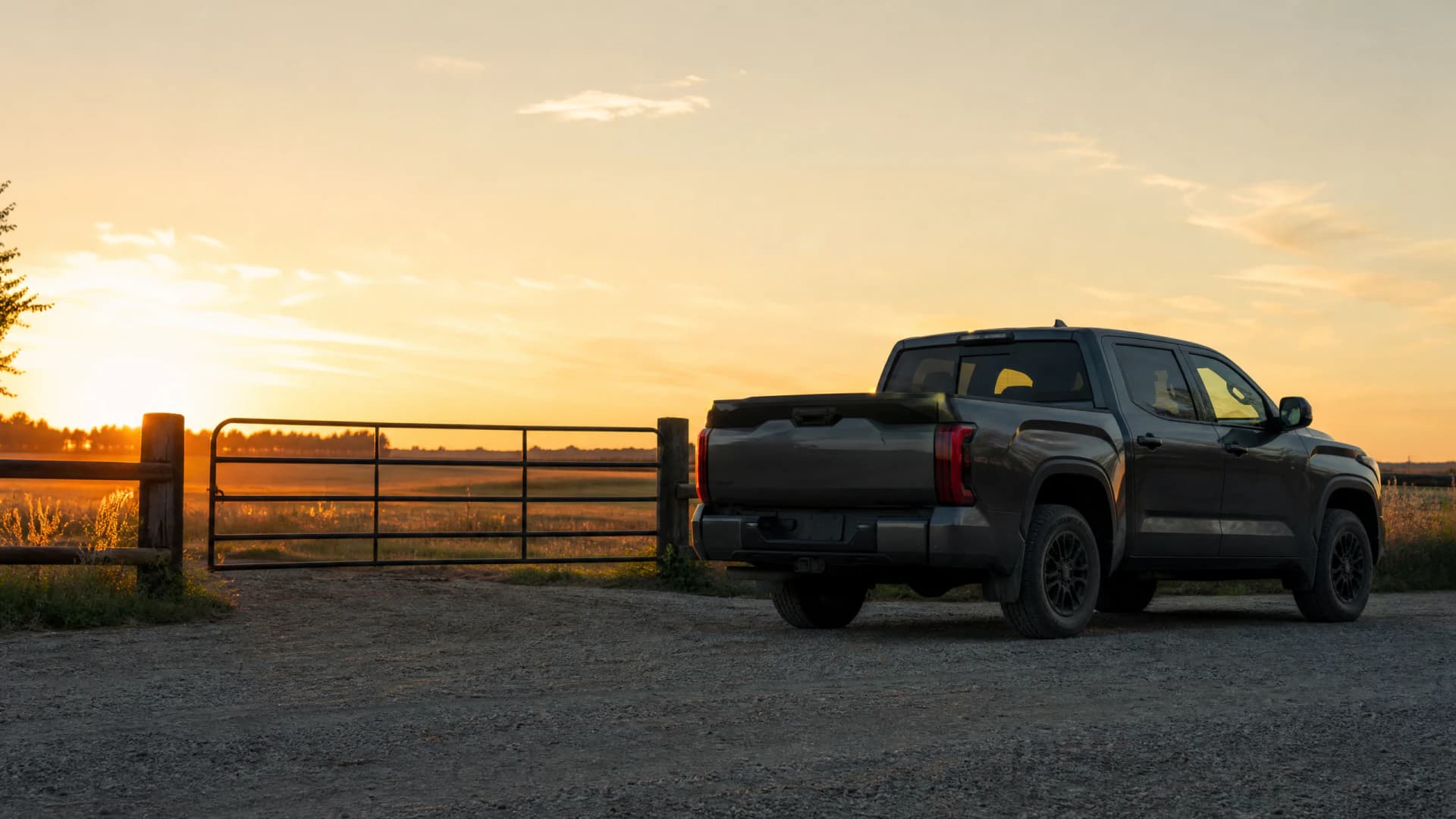
Alaska does not mandate uninsured motorist coverage, but 12.5% of Alaska drivers are uninsured. Households with multiple vehicles face higher odds of an uninsured-driver collision over time.





SR-22 Filing and Multi-Vehicle Households
Alaska uses SR-22 certificates for license reinstatement after suspension, DUI or refusal convictions, and unsatisfied judgments. The SR-22 is not insurance — it is a filing your carrier submits to the DMV certifying that you carry at least the state's minimum liability limits. Alaska requires the filing for three years from the conviction or reinstatement date.
If one household member needs an SR-22, the filing typically attaches to that driver, not to every vehicle in the household. Carriers offer owner SR-22 filings for drivers who own a vehicle and non-owner filings for drivers who do not. A household with three cars where only one driver requires SR-22 can often file under the owner form for that driver's primary vehicle without re-rating the entire policy, though carrier practices vary.
The three-year SR-22 period creates a monitoring window. If coverage lapses or the policy is canceled during that window, the carrier notifies the DMV and the driver's license is suspended again. Households managing multiple vehicles and multiple drivers should confirm with their carrier which vehicles and drivers are tied to the SR-22 filing and what happens if one vehicle is removed from the policy mid-term.
15 carriers
Alaska Multi-Car Carriers
Fifteen carriers write auto insurance in Alaska and offer multi-vehicle policies, including Allstate, Farmers, Geico, Progressive, State Farm, and USAA. Not all carriers offer the same multi-car discount structure or accept SR-22 filings, so households with compliance requirements should compare carrier rosters carefully.

Optional Coverages and Multi-Vehicle Decisions
Alaska does not require collision, comprehensive, uninsured motorist, or personal injury protection coverage, but these coverages address risks the state's liability-only mandate does not. Collision pays for damage to your own vehicle after an at-fault crash. Comprehensive covers theft, weather damage, and animal strikes. Uninsured motorist coverage pays your medical bills and vehicle damage when an uninsured driver hits you.
Households with multiple vehicles often carry full coverage on newer or financed cars and liability-only on older paid-off vehicles. The decision hinges on vehicle value and replacement cost. A household with three vehicles might carry full coverage on two and liability-only on the third, reducing total premium while protecting the higher-value assets.
Compare Carriers That Write Your Household
Alaska's carrier roster includes national and regional insurers, and not all write the same household structures. Some carriers restrict the number of vehicles on one policy. Others require all household drivers to be listed even if they do not drive every car. A household with four vehicles and three drivers may find that one carrier rates the policy lower by assigning each driver to a primary vehicle, while another spreads risk differently and charges more.
Start by confirming which carriers write multi-vehicle policies in Alaska and whether they accept your household's driver and vehicle mix. If one household member requires SR-22 filing, narrow the list to carriers that write SR-22 in Alaska — not all do. Compare liability limits, optional coverage pricing, and multi-car discount structures across at least three carriers. The lowest liability-only quote is not always the best value when you add collision and comprehensive to multiple vehicles.
Proof of Insurance and Registration
Every vehicle you register in Alaska must show proof of insurance before the DMV issues plates. The proof can be a paper insurance card, an electronic card on your phone, or verification through the state's electronic insurance verification system. If you're adding a second or third car mid-term, your carrier typically issues updated proof-of-insurance cards within 24 to 48 hours of adding the vehicle to the policy. Keep the card in each car — Alaska law requires you to present proof during traffic stops.
If you insure multiple vehicles on separate policies, each car needs its own proof card tied to the correct policy. Presenting proof for the wrong vehicle or an expired card can result in a citation even when coverage is active. The state's electronic system reduces this risk, but not every officer uses it at every stop. Households managing multiple policies should verify that each vehicle's registration matches the correct policy number and that updated cards are distributed to the right cars after any policy change.
Get Your Free Quote
Get My Alaska Car Insurance QuoteFrequently Asked Questions
Does Alaska require the same coverage on every vehicle I insure?
Alaska requires every registered vehicle to carry at least $50,000/$100,000/$25,000 liability coverage. You can carry higher limits or add optional coverages like collision and comprehensive to some vehicles and not others, but every car must meet the state's liability minimum.
Can I insure multiple vehicles on one policy in Alaska?
Yes. Most carriers writing in Alaska allow multiple vehicles on one policy, and many offer a multi-car discount when you insure more than one vehicle with them. The same liability limits apply to each car on the policy.
What happens if one vehicle on my policy lapses coverage in Alaska?
If coverage lapses on any registered vehicle, the carrier notifies the Alaska DMV and the vehicle's registration can be suspended. If a household member is under SR-22 filing requirements, a lapse triggers license suspension and restarts the three-year filing period.
Does Alaska require uninsured motorist coverage on multi-vehicle policies?
No. Alaska does not mandate uninsured motorist coverage, but 12.5% of Alaska drivers are uninsured. Households with multiple vehicles may choose to add UM coverage to protect against uninsured-driver collisions.
How does SR-22 filing work when I insure multiple vehicles in Alaska?
SR-22 filing in Alaska typically attaches to the driver who needs it, not to every vehicle in the household. Carriers offer owner filings for drivers who own a vehicle and non-owner filings for those who do not. The filing must remain active for three years.
Can I carry different liability limits on different vehicles in Alaska?
Most carriers apply the same liability limits across all vehicles on one policy. If you want different limits on different cars, you typically need separate policies, though this often costs more than insuring all vehicles together with uniform higher limits.