
Minimum Car Insurance Requirements — Alaska
Free to compare
What Alaska Law Requires When You Insure Multiple Vehicles
You own two or three cars, and you need to know whether Alaska's minimum liability limits apply to each vehicle separately or to your policy as a whole. The answer changes how you structure coverage and what you pay. Alaska law requires $50,000 bodily injury per person, $100,000 bodily injury per accident, and $25,000 property damage. These limits apply to the policy, not to each individual vehicle on it.
That means a household policy covering three vehicles carries the same state-minimum liability floor as a policy covering one vehicle. You are not required to triple your limits when you add cars. What does change: your collision and comprehensive decisions, your total premium, and whether combining vehicles on one policy or splitting them across separate policies makes structural sense for your household.
“Alaska's liability minimums apply to the policy, not to each vehicle, so adding cars does not multiply the required limits.”

Meet Alaska's Requirements Without Overpaying
Get My Alaska Car Insurance Quote$50,000 / $100,000 / $25,000
Alaska Liability Minimums
Bodily injury per person, bodily injury per accident, and property damage per accident. These limits apply to the policy as a whole, regardless of how many vehicles the policy covers.
Alaska Division of Motor Vehicles
How Minimum Liability Works Across Multiple Cars
The $50,000/$100,000/$25,000 floor is a per-policy requirement, not a per-vehicle requirement. The policy's liability limits cover any vehicle listed on it, and the same limits apply no matter which car is involved in an accident.
This structure creates a coverage decision households with multiple vehicles face constantly: whether to carry only the state minimum or to buy higher liability limits that better protect household assets when any of your cars is at fault. The minimum satisfies Alaska's registration and proof-of-insurance rules, but it does not scale with the number of vehicles you own or the combined value of what you are protecting.
When you add a second or third vehicle to an existing policy, the liability limits stay the same unless you choose to raise them. What changes is the collision and comprehensive decision for each car, the total premium, and how the multi-car discount applies if your carrier offers one.
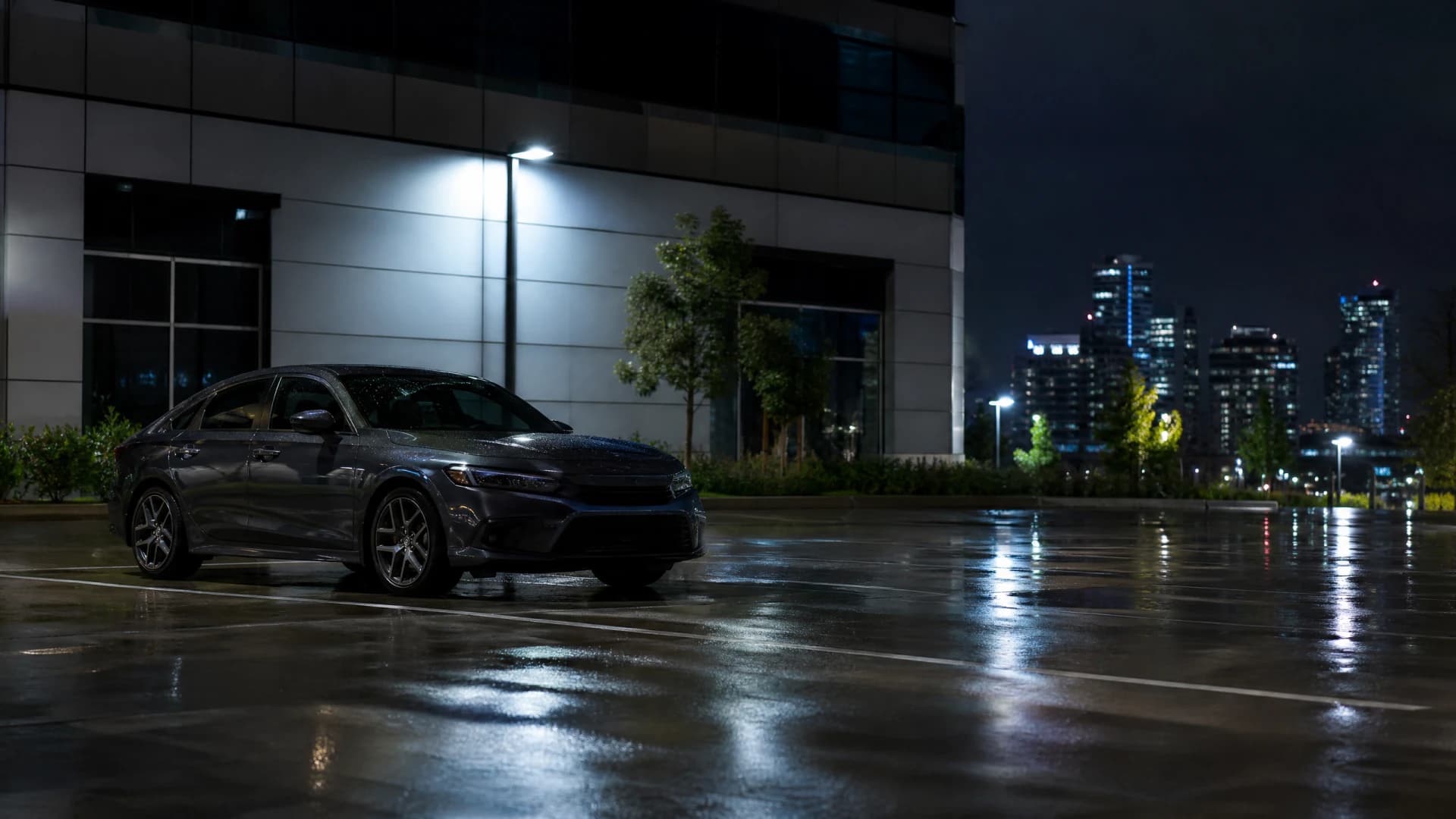
Alaska's liability minimums do not multiply when you add vehicles. The same $50,000/$100,000/$25,000 floor covers a one-car or a three-car policy.





Structuring Coverage When You Own Multiple Vehicles
You can insure all household vehicles on one policy or split them across separate policies. Alaska law does not require one structure over the other, but the choice affects your total premium, your liability exposure, and whether you qualify for a multi-car discount. Most carriers require every vehicle on a multi-car policy to be garaged at the same address and owned by household members listed on the policy.
Combining vehicles on one policy typically lowers the combined premium compared to separate policies, because the multi-car discount reduces the per-vehicle cost and because you avoid paying multiple policy fees. The liability limits cover any vehicle on the policy, so you are not buying separate liability coverage for each car. Collision and comprehensive are priced per vehicle based on each car's value, age, and use.
Splitting vehicles across separate policies makes sense in specific situations: when a household member needs their own policy because they do not live at the same address, when a rarely-driven vehicle qualifies for a storage or low-mileage policy, or when one vehicle's risk profile would raise the premium on the other cars if combined. Alaska does not prohibit this structure, but it typically costs more than a single household policy.
15 carriers
Alaska Multi-Vehicle Carriers
Fifteen carriers write auto insurance in Alaska and offer policies covering multiple vehicles. Comparing carriers matters because the multi-car discount, the base rate, and the collision/comprehensive pricing vary significantly across the roster.

Collision and Comprehensive Decisions for Each Vehicle
Alaska does not require collision or comprehensive coverage. Those coverages are optional, priced per vehicle, and structured around each car's actual cash value and your chosen deductible. When you insure multiple vehicles on one policy, you choose collision and comprehensive separately for each car. A newer vehicle with a loan typically carries both; an older paid-off vehicle might carry neither.
The decision turns on each vehicle's value and your household's ability to replace it out of pocket. A $500 or $1,000 deductible is the most common choice. Collision pays for damage to your car in an at-fault accident or a single-vehicle crash; comprehensive pays for theft, vandalism, weather damage, and animal strikes. Dropping these coverages on an older vehicle lowers your premium but leaves you paying replacement cost yourself if that car is totaled or stolen.
Compare Carriers and Lock Your Coverage
Alaska's minimum liability requirements are the floor, not the ceiling. Households with multiple vehicles often carry higher limits to protect assets and avoid out-of-pocket exposure when any car on the policy is at fault. The next step: compare carriers that write multi-vehicle policies in Alaska, confirm that each vehicle you own is listed on the policy with the correct VIN and garaging address, and verify that your liability limits, collision, and comprehensive elections match your household's structure. Proof of insurance follows once the policy is active, and registration proceeds from there.
Proof of Insurance and Registration Requirements
Alaska accepts an insurance card, a digital proof-of-insurance document displayed on your phone, or a letter from your carrier as valid proof. The proof must show the policy number, the effective dates, the vehicle identification number, and the liability limits. When you insure multiple vehicles on one policy, each vehicle typically receives its own insurance card listing that specific VIN, even though all cards reference the same policy and the same liability limits.
At registration, the Alaska Division of Motor Vehicles verifies that your policy meets the $50,000/$100,000/$25,000 minimum. If you are registering a second or third vehicle and adding it to an existing policy, the carrier issues updated proof showing the new vehicle. If you are combining two separate policies into one household policy, the new proof replaces the old cards for every vehicle now covered under the single policy.
Get Your Free Quote
Get My Alaska Car Insurance QuoteFrequently Asked Questions
Does Alaska require higher liability limits when I insure multiple cars?
No. Alaska's $50,000/$100,000/$25,000 liability minimums apply to the policy as a whole, not to each vehicle. A policy covering three cars carries the same state-minimum liability floor as a policy covering one car.
Can I insure my household's vehicles on separate policies in Alaska?
Yes. Alaska law does not require all household vehicles to be on one policy. You can split them across separate policies, but combining them on one household policy typically lowers the total premium and qualifies for a multi-car discount.
What proof of insurance does Alaska require at registration?
Alaska accepts an insurance card, a digital proof document on your phone, or a carrier letter. The proof must show the policy number, effective dates, the vehicle identification number, and liability limits meeting the $50,000/$100,000/$25,000 minimum.
Do I need collision and comprehensive coverage on every vehicle in Alaska?
No. Alaska does not require collision or comprehensive coverage. You choose these coverages separately for each vehicle based on its value, loan status, and your ability to replace it out of pocket.
How does the multi-car discount work in Alaska?
Most carriers reduce the per-vehicle premium when you insure multiple cars on one policy. The discount typically requires all vehicles to be garaged at the same address and owned by household members listed on the policy.
What happens if I add a vehicle to my existing Alaska policy mid-term?
The carrier re-rates the policy to include the new vehicle, issues updated proof of insurance showing the added car's VIN, and adjusts your premium. The liability limits remain the same unless you choose to raise them.