
License Reinstatement After Uninsured Driving — Alaska
Free to compare
The Suspension Is Already Active
Alaska's Division of Motor Vehicles suspended your license the moment you were cited for driving without insurance. The suspension runs 90 days from the violation date, not from when you receive the notice. If you were pulled over two weeks ago and just opened the suspension letter today, you have already burned through half a month of that window.
The reinstatement process does not begin automatically when the 90 days end. You must file specific documents, pay the $100 reinstatement fee, and wait 10 business days for DMV processing before your driving privilege returns. Most drivers assume the suspension simply expires after 90 days and they can resume driving. That assumption leads to a second uninsured-driving charge, which doubles the suspension period and adds a second SR-22 filing requirement on top of the first.
“The SR-22 must be active before the DMV processes your reinstatement fee, not after.”

Meet Alaska's Requirements Without Overpaying
Get My Alaska Car Insurance Quote90 days
Alaska Uninsured Suspension
The suspension begins on the violation date, not the notice date. Driving during this period triggers a second uninsured charge, which extends the suspension and compounds the SR-22 filing requirement.
Alaska Division of Motor Vehicles
What Alaska Actually Requires for Reinstatement
Alaska requires three things before your license is reinstated: completion of the 90-day suspension, payment of the $100 reinstatement fee, and an SR-22 certificate of financial responsibility filed by an insurer licensed in Alaska. The SR-22 must remain active for three years from the reinstatement date. If the SR-22 lapses at any point during those three years, the DMV suspends your license again immediately.
The state does not accept proof-of-insurance cards or policy declarations as substitutes for the SR-22. The SR-22 is a specific form filed electronically by your insurer directly to the DMV. You cannot file it yourself. You must purchase a policy from a carrier that writes SR-22 coverage in Alaska, request the SR-22 filing as part of that policy, and wait for the carrier to transmit the form to the DMV before the reinstatement fee is processed.
Alaska's minimum liability limits are $50,000 per person for bodily injury, $100,000 per accident for bodily injury, and $25,000 for property damage. Your SR-22 policy must meet or exceed these minimums. Most carriers writing SR-22 in Alaska offer both owner policies (if you own a vehicle) and non-owner policies (if you do not own a vehicle but need to reinstate your license). The non-owner SR-22 satisfies the state's filing requirement and allows you to drive vehicles you do not own, but it does not cover a vehicle titled in your name.

The SR-22 filing must be active before the DMV processes your reinstatement. Paying the fee without an SR-22 on file delays reinstatement until the filing arrives.







The Limited License Option During Suspension
Alaska offers a limited license that allows you to drive for work, medical appointments, and other essential purposes during the 90-day suspension. The limited license costs $100 and requires a completed application (Form D1), a vision test, a general knowledge test, proof of ASAP program enrollment or completion, and an SR-22 filing within 30 days of approval. If you were convicted of DUI, you must also install an ignition interlock device within 30 days of receiving the limited license.
The limited license does not shorten the suspension period. It permits restricted driving during the 90 days, but the full suspension still runs its course. The $100 limited license fee is separate from the $100 reinstatement fee. You pay both if you choose the limited license route. The DMV processes limited license applications within 10 business days of receiving all required documentation.
The SR-22 filing for a limited license must be active within 30 days of the limited license approval, not at the time of application. Most drivers assume the SR-22 must be filed before applying for the limited license. That assumption is incorrect. You apply first, receive conditional approval, and then have 30 days to secure the SR-22 filing. If the SR-22 does not arrive within that 30-day window, the limited license is revoked and you must reapply.
$100
Alaska Reinstatement Fee
The fee applies whether you pursue a limited license during the suspension or wait out the full 90 days. Payment is processed only after the SR-22 filing is active in the DMV system.
Alaska Division of Motor Vehicles

What Happens If the SR-22 Lapses
The SR-22 filing must remain active for three years from your reinstatement date. If you cancel your insurance policy, switch carriers without requesting a new SR-22 filing, or allow the policy to lapse for nonpayment, your insurer notifies the DMV electronically within 10 days. The DMV suspends your license immediately upon receiving that lapse notice. No grace period. No warning letter. The suspension is automatic.
Reinstating after an SR-22 lapse requires the same process: a new SR-22 filing from a licensed carrier, payment of another $100 reinstatement fee, and 10 business days of DMV processing. The three-year SR-22 clock does not reset. It continues from the original reinstatement date. If you lapse two years into the three-year period, you still owe one more year of continuous SR-22 coverage after the second reinstatement. Repeated lapses compound. Each lapse triggers a new suspension, a new $100 fee, and extends the total time you must maintain SR-22 coverage.
Carriers That Write SR-22 in Alaska
Fourteen carriers write SR-22 policies in Alaska. Geico, Progressive, State Farm, Farmers, National General, The General, and USAA all file SR-22 certificates electronically and offer both owner and non-owner policies. Not every carrier writes SR-22 for every driver. Some carriers decline SR-22 applicants with multiple violations or recent DUI convictions. Others write SR-22 policies but price them higher than competitors for the same coverage.
Request quotes from at least three carriers. SR-22 filing does not cost extra in Alaska. The carrier files the form as part of your policy at no additional charge beyond the premium. What varies is the base premium itself. A carrier that prices high-risk drivers aggressively may quote you twice what another carrier charges for identical coverage. The SR-22 filing is identical across all carriers. The DMV does not care which carrier files it, only that the filing remains active for three years.
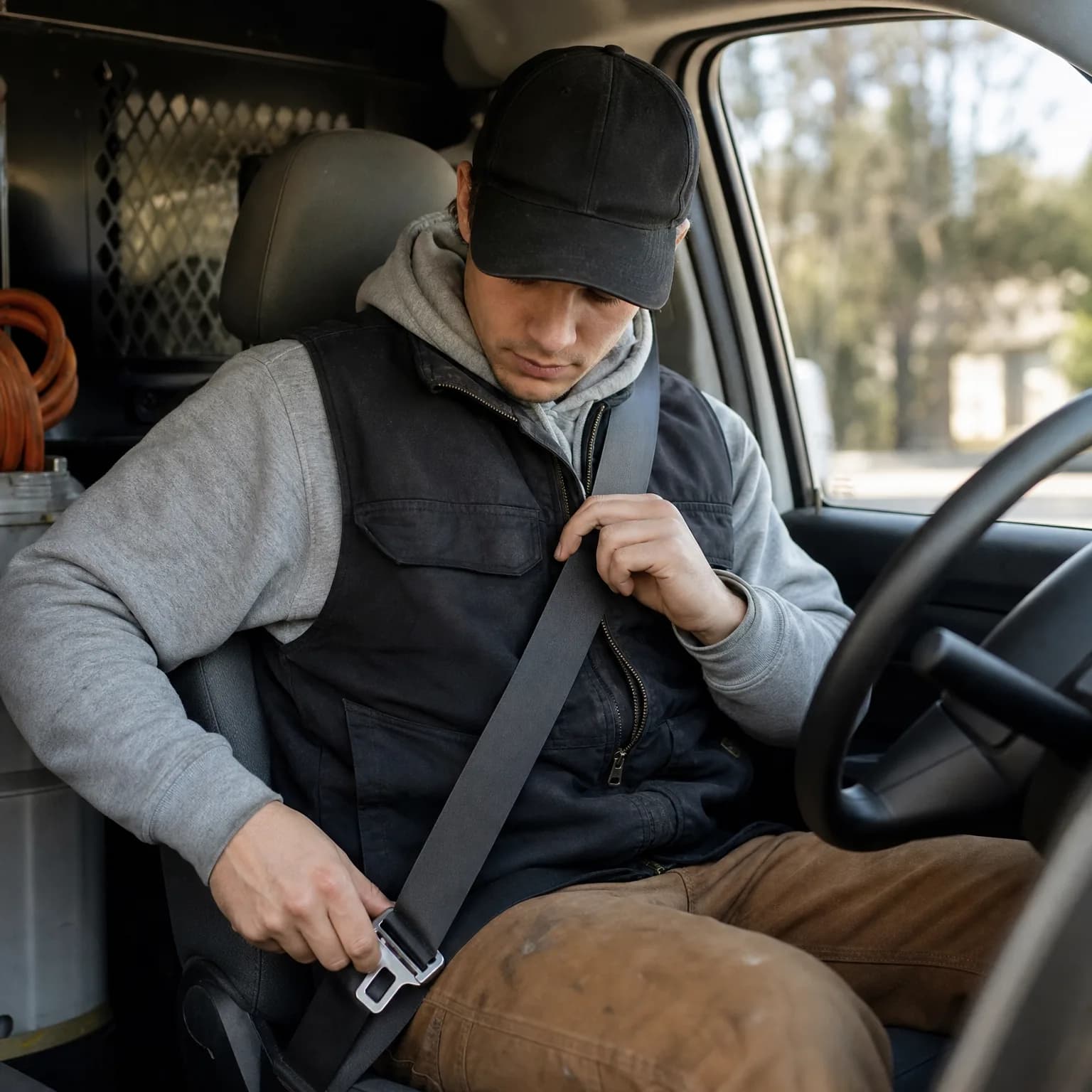
Start the SR-22 Filing Before You Pay the Reinstatement Fee
The single procedural mistake that delays reinstatement longer than any other is paying the $100 fee before securing the SR-22 filing. The DMV will not process your reinstatement without an active SR-22 on file. If you pay first, your payment sits in the system until the SR-22 arrives. That delay extends the period you cannot drive, even though you have already paid the fee and completed the suspension.
Contact an SR-22 carrier today. Purchase the policy, request the SR-22 filing, and confirm the carrier has transmitted the form to the Alaska DMV. Once you receive confirmation that the SR-22 is on file, pay the reinstatement fee online or in person. The DMV processes your reinstatement within 10 business days, and your driving privilege is restored. Compare SR-22 carriers writing in Alaska and see current policy structures that meet the state's three-year filing requirement.
The Reinstatement Sequence That Actually Works
Contact an insurer that writes SR-22 policies in Alaska. Geico, Progressive, National General, The General, USAA, and Farmers all write SR-22 coverage in the state. Request a quote for either an owner policy (if you own a vehicle) or a non-owner policy (if you do not). When you purchase the policy, explicitly request the SR-22 filing. The carrier files the SR-22 electronically with the DMV within one to three business days. You will receive a copy of the SR-22 form by mail or email, but the DMV receives it directly from the carrier.
Once the SR-22 is on file with the DMV, pay the $100 reinstatement fee. You can pay online through the Alaska DMV website, by mail, or in person at a DMV office. The DMV processes reinstatements within 10 business days of receiving the fee, provided the SR-22 is already active in their system. If you pay the fee before the SR-22 arrives, the DMV holds your payment and does not begin processing until the filing appears. That delay extends the period you cannot legally drive, even though the 90-day suspension has ended.
Get Your Free Quote
Get My Alaska Car Insurance QuoteFrequently Asked Questions
How long does Alaska suspend your license for driving without insurance?
Alaska suspends your license for 90 days from the violation date for a first uninsured-driving offense. The suspension begins immediately when you are cited, not when you receive the notice. Driving during the suspension triggers a second uninsured charge, which doubles the suspension period and adds a second SR-22 filing requirement.
What does Alaska require to reinstate your license after an uninsured suspension?
Alaska requires three things: completion of the 90-day suspension, an SR-22 certificate of financial responsibility filed by a licensed insurer, and payment of the $100 reinstatement fee. The SR-22 must remain active for three years from the reinstatement date. The DMV processes reinstatements within 10 business days of receiving the fee, provided the SR-22 is already on file.
Can you get a limited license in Alaska during an uninsured-driving suspension?
Yes. Alaska offers a limited license that allows driving for work, medical appointments, and essential purposes during the 90-day suspension. The limited license costs $100, requires a completed application, vision and knowledge tests, ASAP program enrollment, and an SR-22 filing within 30 days of approval. The limited license does not shorten the suspension period.
How much does SR-22 filing cost in Alaska?
SR-22 filing itself costs nothing in Alaska. Carriers file the SR-22 form electronically to the DMV at no additional charge beyond your policy premium. What varies is the premium for the underlying insurance policy. Carriers price SR-22 policies differently based on your driving record, so request quotes from at least three carriers writing SR-22 in Alaska.
What happens if your SR-22 lapses in Alaska?
If your SR-22 lapses for any reason, your insurer notifies the Alaska DMV within 10 days and the DMV suspends your license immediately. Reinstating after a lapse requires a new SR-22 filing, payment of another $100 reinstatement fee, and 10 business days of processing. The three-year SR-22 clock does not reset; it continues from the original reinstatement date.
Do you need to own a car to get SR-22 in Alaska?
No. Alaska accepts non-owner SR-22 policies, which satisfy the state's filing requirement without requiring you to own a vehicle. A non-owner policy covers you when driving vehicles you do not own, but it does not cover a vehicle titled in your name. Geico, Progressive, National General, The General, and USAA all write non-owner SR-22 policies in Alaska.
How long does it take to reinstate your license in Alaska after paying the fee?
The Alaska DMV processes reinstatements within 10 business days of receiving the $100 reinstatement fee, provided an SR-22 filing is already active in their system. If you pay the fee before the SR-22 arrives, the DMV holds your payment and does not begin processing until the filing appears, which delays reinstatement.