Liability vs Full Coverage — Alaska
Free to compare
The Multi-Car Coverage Decision
You're managing insurance for two or more vehicles in Alaska. One might be a daily commuter, another a weekend truck, maybe a third car your teenager drives to school. You know Alaska requires liability coverage, but you're trying to figure out whether you need full coverage on every vehicle or whether liability-only makes sense for some of them.
The decision isn't the same for every car on your policy. Alaska's minimum liability requirement is $50,000 per person, $100,000 per accident for bodily injury, and $25,000 for property damage. That's higher than most states. When you're insuring multiple vehicles, the coverage structure you choose for each one depends on the vehicle's value, how you use it, and what you'd lose if it were totaled.
“Alaska carriers let you carry full coverage on your primary vehicle and liability-only on an older truck you use occasionally.”

Meet Alaska's Requirements Without Overpaying
Get My Alaska Car Insurance Quote$50,000/$100,000/$25,000
Alaska Minimum Liability
Alaska requires higher liability limits than most states. Every vehicle on your policy must carry at least these minimums to register and drive legally. The question is whether to add collision and comprehensive on top.
Alaska Division of Motor Vehicles
What Liability and Full Coverage Actually Cover
Liability insurance pays for damage you cause to other people and their property. It covers the other driver's medical bills, vehicle repairs, and legal costs if you're at fault in an accident. It does not pay to repair or replace your own vehicle. If you hit a moose on the Parks Highway and total your truck, liability coverage pays nothing toward your loss.
Full coverage adds collision and comprehensive to your liability policy. Collision pays to repair or replace your vehicle after an accident, regardless of fault. Comprehensive covers non-collision losses: theft, vandalism, fire, weather damage, and animal strikes. Alaska's 247 vehicle thefts per 100,000 population and rural driving conditions make comprehensive particularly relevant for vehicles you depend on daily.
When you insure multiple vehicles on one policy, you choose the coverage level for each vehicle individually. You can carry full coverage on your primary commuter and liability-only on an older truck you use occasionally. The multi-car discount applies to the entire policy regardless of how coverage is split across vehicles.
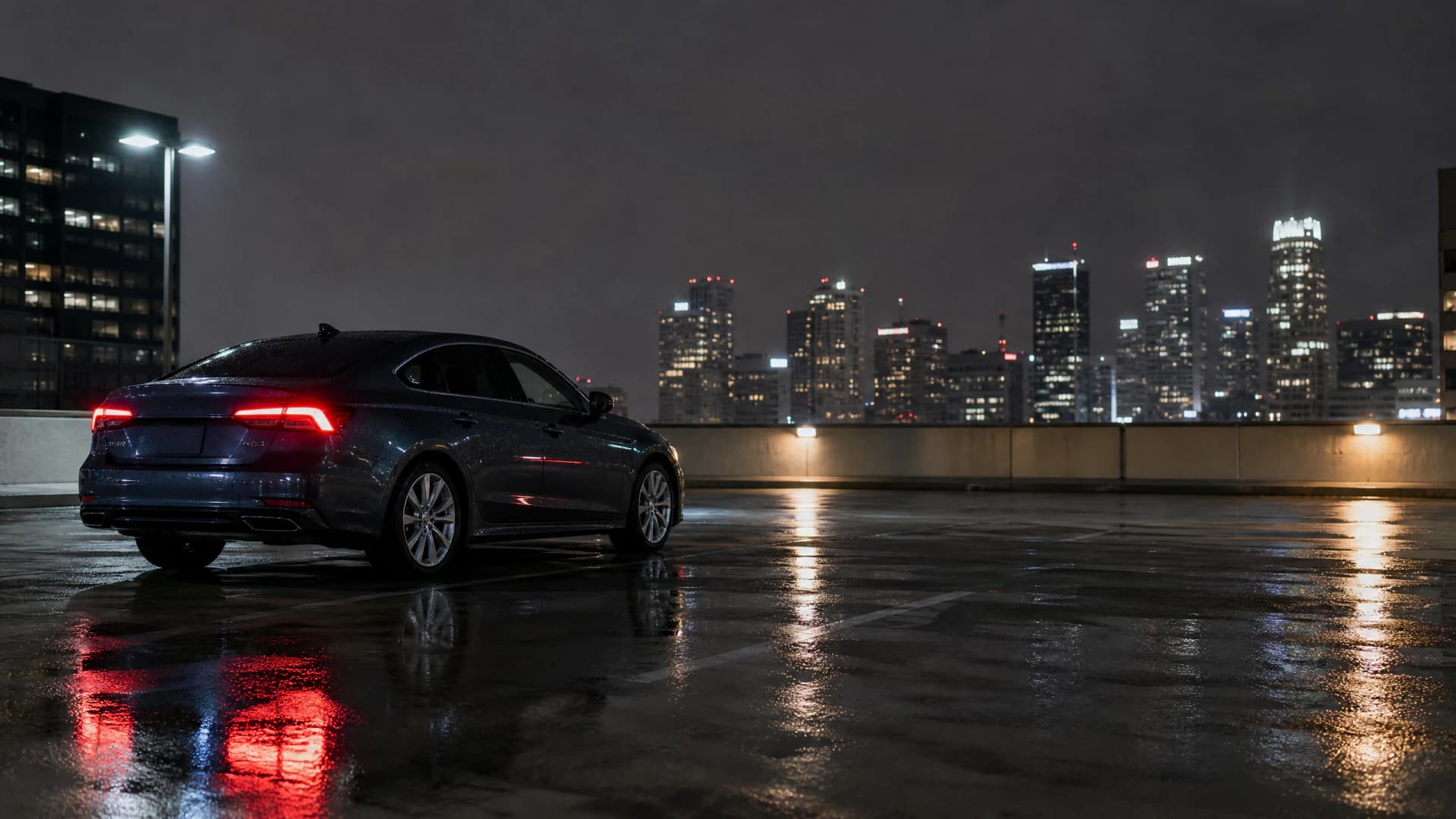
The structural blocker: most households assume full coverage is all-or-nothing across every vehicle, but Alaska carriers let you mix coverage levels on the same policy.



Alaska-Specific Considerations
Alaska's driving conditions create specific risks that affect the full-coverage decision. The state's 1.07 traffic fatalities per 100 million vehicle miles traveled and 25% alcohol-impaired fatality rate mean collision risk is real, but the state's 12.5% uninsured motorist rate means you're also exposed to drivers who won't pay for damage they cause. Uninsured motorist coverage is not required in Alaska, but it's worth considering when you're deciding whether to carry collision on a vehicle.
Weather and wildlife add another layer. Moose strikes, ice-related collisions, and winter weather damage are common. Comprehensive coverage pays for these losses. If you're carrying liability-only on a vehicle and a moose totals it, you absorb the full loss.
Alaska's average annual auto insurance expenditure per insured vehicle is $1,112.96. That figure reflects a mix of coverage levels across all insured vehicles in the state. When you're insuring multiple vehicles, splitting coverage strategically keeps your total premium manageable while protecting the vehicles you can't afford to replace out of pocket.
12.5%
Alaska Uninsured Motorist Rate
One in eight drivers in Alaska carries no insurance. If an uninsured driver hits your vehicle, your collision coverage pays to repair it. Without collision, you're left pursuing the at-fault driver directly, which rarely recovers your loss.
Insurance Information Institute, 2023
Policy Structure Across Multiple Vehicles
When you add a vehicle to your policy, the carrier re-rates the entire policy. Adding full coverage on a new vehicle increases your premium more than adding liability-only, but the multi-car discount offsets part of that increase. The discount applies to the policy as a whole, not to individual vehicles, so every vehicle benefits regardless of its coverage level.
Most Alaska carriers writing multi-car policies let you set different coverage levels and deductibles for each vehicle. You might carry a $500 deductible on your primary vehicle and a $1,000 deductible on a second car to lower the premium. You might drop collision on an older vehicle but keep comprehensive to cover theft and weather damage. The policy structure is flexible as long as every vehicle meets Alaska's minimum liability requirement.
Compare Carriers Writing Multi-Vehicle Policies in Alaska
Fifteen carriers write auto insurance in Alaska, including Allstate, Farmers, Geico, Progressive, State Farm, and USAA. Not all of them offer the same flexibility for mixing coverage levels across vehicles, and not all of them price multi-car policies the same way. Some carriers apply a larger multi-car discount; others start with a lower base rate and apply a smaller discount. A smaller discount on a lower base rate can beat a larger discount on a higher one.
Get quotes from at least three carriers. Provide the same vehicle details, coverage selections, and driver information to each one so you're comparing equivalent policies. Ask each carrier how they handle mixed coverage levels across vehicles and whether they offer uninsured motorist coverage as an add-on. The carrier that prices your household's specific mix of vehicles and coverage levels lowest is the one that fits your situation best.
How to Decide Coverage Level by Vehicle
Start with the vehicle's current market value. Full coverage premiums on an older vehicle can approach the vehicle's value over two or three years, particularly when you factor in the deductible you'd pay at claim time. If the vehicle is financed or leased, your lender requires collision and comprehensive until the loan is satisfied.
Next, consider how you use the vehicle and what losing it would cost you. A daily commuter that gets you to work in Anchorage or Fairbanks has higher replacement urgency than a second car you drive occasionally. If losing the vehicle would force you to buy a replacement immediately, full coverage transfers that risk to the carrier. If you could manage without it for weeks or months while you save for a replacement, liability-only keeps your premium lower and lets you self-insure the vehicle's value.
Get Your Free Quote
Get My Alaska Car Insurance QuoteFrequently Asked Questions
Can I carry liability-only on one vehicle and full coverage on another on the same Alaska policy?
Yes. Alaska carriers writing multi-car policies let you set different coverage levels for each vehicle. You can carry full coverage on your daily commuter and liability-only on an older vehicle you use occasionally. Every vehicle must meet Alaska's $50,000/$100,000/$25,000 minimum liability requirement, but collision and comprehensive are optional on vehicles you own outright.
Does the multi-car discount still apply if I carry different coverage levels on each vehicle?
Yes. The multi-car discount applies to the entire policy, not to individual vehicles. Whether you carry full coverage on every vehicle or mix liability-only and full coverage across your cars, the discount applies as long as every vehicle sits on the same policy.
What happens if an uninsured driver hits my vehicle and I only carry liability coverage?
Your liability coverage does not pay to repair your own vehicle. If you carry collision coverage, it pays for the damage and your carrier pursues the at-fault driver for reimbursement. Without collision, you pursue the uninsured driver directly, which rarely recovers your loss. Alaska's uninsured motorist rate is 12.5%, so one in eight drivers carries no insurance.
Should I drop full coverage on an older vehicle to lower my premium?
Full coverage premiums on an older vehicle can approach the vehicle's value over two or three years. If losing the vehicle would force you to buy a replacement immediately, keep full coverage.
How do I know which Alaska carriers offer the best rates for multi-car policies?
Get quotes from at least three carriers writing in Alaska. Provide the same vehicle details, coverage selections, and driver information to each one. Some carriers apply a larger multi-car discount; others start with a lower base rate. The carrier that prices your household's specific mix of vehicles and coverage levels lowest is the one that fits your situation best.