
Progressive Multi-Car Insurance — Alaska
Free to compare
Progressive Multi-Car Discount Structure in Alaska
You own two or three vehicles, you've seen Progressive advertise a multi-car discount, and you want to know whether consolidating your household's cars on one Progressive policy delivers the lowest combined premium in Alaska. The structural reality: Progressive's multi-car discount applies only when every vehicle you insure sits on the same Progressive policy, garaged at the same address, and titled to members of the same household. A car titled to a household member on a separate policy does not count toward the discount, and a vehicle garaged at a second address typically disqualifies the entire household from the multi-car rate.
Alaska's carrier roster includes 14 companies writing standard and preferred auto insurance. Progressive writes SR-22, non-owner, and after-DUI policies in the state and operates in the standard tier with online quoting. The question is not whether Progressive offers a multi-car discount—it does—but whether Progressive's post-discount combined rate beats the base rate another carrier offers for the same vehicles without a discount. Alaska's small roster and remote geography mean carrier pricing varies more than the discount itself.
“A smaller discount on a lower base rate beats a larger discount on a higher base rate every time.”

Meet Alaska's Requirements Without Overpaying
Get My Alaska Car Insurance Quote$50,000 / $100,000 / $25,000
Alaska Minimum Liability Limits
Alaska requires $50,000 bodily injury per person, $100,000 bodily injury per accident, and $25,000 property damage. Every vehicle on your Progressive policy must carry at least these minimums; most multi-car households choose higher limits to protect household assets across all vehicles.
Alaska Division of Motor Vehicles
What Progressive's Multi-Car Discount Actually Requires
Progressive's multi-car discount is not automatic when you own multiple vehicles. The discount applies when you add a second or third vehicle to an existing Progressive policy, every vehicle is garaged at the same address, and every vehicle is titled to a member of the household named on the policy. If your spouse owns a car titled in their name alone and carries a separate Progressive policy, that vehicle does not count toward your multi-car discount—you hold two single-car policies, not one multi-car policy.
The same-policy requirement trips up households that buy a second car mid-term and assume the discount applies immediately. Progressive re-rates the entire policy when you add a vehicle, and the discount applies to the new combined premium—but only after the vehicle is formally added and the policy is re-underwritten. If you buy a car and delay reporting it beyond Progressive's grace period, the unreported vehicle is not covered and the discount does not apply.
Alaska does not require personal injury protection or uninsured motorist coverage, so you control whether those coverages sit on your multi-car policy. Adding comprehensive and collision to every vehicle on the policy increases the combined premium, but dropping those coverages on an older low-value car can lower the total enough that Progressive's multi-car discount becomes competitive with a carrier that does not advertise a discount at all.
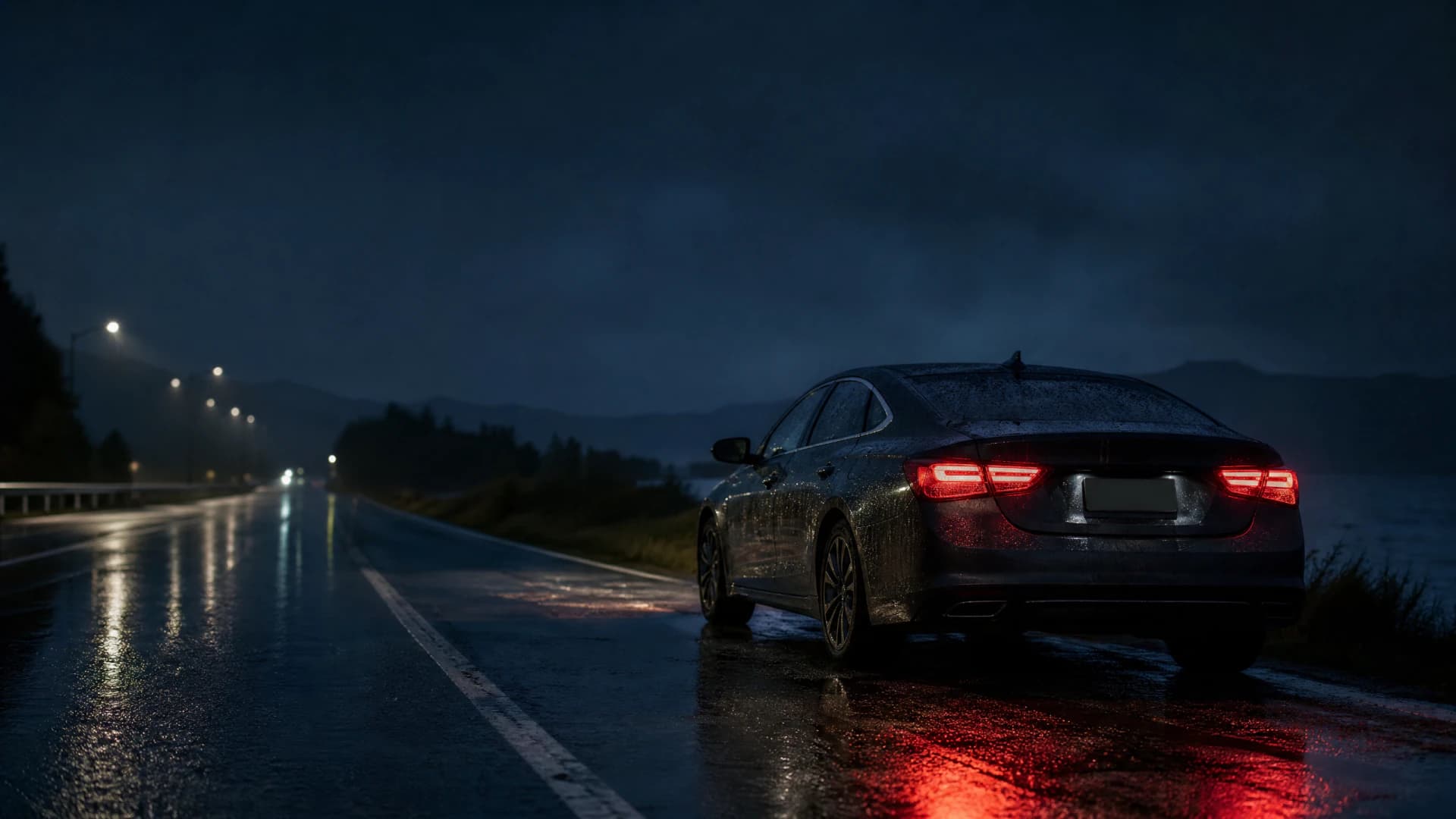
Progressive's multi-car discount applies only when every household vehicle sits on the same policy. A car on a separate policy—even another Progressive policy—does not count.






When Progressive's Multi-Car Rate Wins in Alaska
Progressive's multi-car discount delivers the lowest combined premium in specific Alaska household situations. Households with three or more vehicles see Progressive's discount compound across the third and fourth car, and the combined savings often beat carriers that price the third vehicle as a standalone addition. Households with one driver under 25 and two older vehicles benefit from Progressive's Snapshot telematics program, which can lower the young driver's portion of the premium enough that the multi-car discount pushes the total below GEICO or Allstate.
Progressive writes after-DUI and SR-22 policies in Alaska, and the multi-car discount applies to SR-22 filings when every vehicle on the policy carries the SR-22 certificate. A household with one SR-22 driver and two vehicles often finds Progressive's combined SR-22 rate lower than splitting the SR-22 vehicle onto a separate high-risk policy and insuring the second vehicle elsewhere. Alaska requires SR-22 filing for 3 years after a DUI conviction, and Progressive's multi-car structure keeps the non-SR-22 vehicle's rate lower than it would sit on a standalone policy.
Households in Anchorage, Fairbanks, and Juneau see Progressive's multi-car rate compete most effectively in urban zip codes where theft and collision frequency drive base rates higher across all carriers. A two-car household in rural Alaska—particularly in communities accessible only by ferry or plane—often finds Allstate or Farmers prices the combined policy lower than Progressive even after the discount, because those carriers price remote-area risk differently than Progressive's standard-tier model.
The failure mode: assuming Progressive's advertised multi-car discount automatically delivers the lowest rate without comparing the post-discount total against another carrier's base rate for the same vehicles. Alaska's small roster and geographic pricing variance mean the discount is a mechanism, not a guarantee.
14 carriers
Alaska Auto Insurance Roster
Alaska's carrier roster includes 14 companies writing standard, preferred, and non-standard auto insurance. Progressive operates in the standard tier alongside GEICO, Allstate, and Farmers; State Farm and USAA operate in the preferred tier with lower base rates for clean-record households.
Alaska Division of Insurance

How to Structure Your Alaska Multi-Car Comparison
Request quotes from at least three carriers for the same vehicles, the same coverage limits, and the same household drivers. Specify that every vehicle will sit on one policy, garaged at the same address, and titled to members of the same household. Ask each carrier whether a multi-car discount applies and what the combined premium is after the discount. Do not compare advertised discount percentages—compare the final combined monthly or annual premium.
Alaska does not mandate uninsured motorist coverage, but 12.5% of Alaska drivers are uninsured. Adding uninsured motorist coverage to a multi-car policy increases the combined premium by a smaller amount per vehicle than adding it to two separate single-car policies, because the coverage applies per accident rather than per vehicle. If you carry higher liability limits across multiple vehicles, uninsured motorist coverage at matching limits protects your household assets without doubling the per-vehicle cost.
Compare Progressive's Total Against Alaska's Full Roster
Progressive's multi-car discount is real, but it is one pricing mechanism among 14 carriers operating in Alaska. The lowest combined premium for your household comes from comparing Progressive's post-discount total against State Farm's preferred-tier base rate, GEICO's standard-tier pricing, and USAA's military-member rate if you qualify. Alaska's remote geography and small carrier roster mean the rate spread between the highest and lowest quote for the same two-car household often exceeds the value of any single-carrier discount. See Alaska's minimum coverage requirements and compare every carrier writing your vehicles before committing to one policy.
Comparing Progressive Against Alaska's Carrier Roster
State Farm and USAA operate in the preferred tier and write multi-car policies in Alaska, but neither advertises a multi-car discount as prominently as Progressive. A household with clean records and newer vehicles often finds State Farm's base rate for two cars lower than Progressive's post-discount rate, because State Farm prices preferred-tier households more aggressively than Progressive prices standard-tier households even after the discount. USAA restricts eligibility to military members and their families, but eligible households consistently see USAA's combined rate beat Progressive's discounted rate by a wide margin.
GEICO, Allstate, and Farmers all write multi-car policies in Alaska and operate in the standard tier alongside Progressive. GEICO's base rate for two vehicles in Anchorage or Fairbanks often matches or undercuts Progressive's post-discount rate, particularly for households with one older vehicle and one newer vehicle. Allstate and Farmers price multi-car households competitively in rural Alaska counties where Progressive's standard-tier pricing runs higher. The structural lesson: a smaller discount on a lower base rate beats a larger discount on a higher base rate every time.
Get Your Free Quote
Get My Alaska Car Insurance QuoteFrequently Asked Questions
Does Progressive's multi-car discount apply if my spouse has a separate Progressive policy?
No. Progressive's multi-car discount applies only when every household vehicle sits on the same Progressive policy. Two separate Progressive policies—even for spouses in the same household—are priced as two single-car policies, and neither receives the multi-car discount.
Can I add a third vehicle to my Progressive policy mid-term and get the multi-car discount immediately?
Yes, but only after you formally add the vehicle and Progressive re-rates the policy. The discount applies to the new combined premium once the vehicle is added, not retroactively. If you delay reporting the vehicle beyond Progressive's grace period, the unreported car is not covered and the discount does not apply.
Is Progressive's multi-car rate always lower than GEICO or State Farm in Alaska?
No. Progressive's post-discount combined rate often runs higher than State Farm's preferred-tier base rate for clean-record households and GEICO's standard-tier rate for two-vehicle households in Anchorage. Compare the final combined premium after Progressive's discount against other carriers' base rates for your specific vehicles and zip code.
Does Alaska require uninsured motorist coverage on a multi-car policy?
No. Alaska does not mandate uninsured motorist coverage, but 12.5% of Alaska drivers are uninsured. Adding uninsured motorist coverage to a multi-car policy costs less per vehicle than adding it to separate single-car policies, because the coverage applies per accident rather than per vehicle.
Can I get Progressive's multi-car discount if one vehicle requires SR-22 filing in Alaska?
Yes. Progressive writes SR-22 policies in Alaska, and the multi-car discount applies when every vehicle on the policy carries the SR-22 certificate. Alaska requires SR-22 filing for 3 years after a DUI conviction. A household with one SR-22 vehicle and one standard vehicle often finds Progressive's combined rate lower than splitting the vehicles across two policies.