
Liability Coverage Limits — Alaska
Free to compare
Why Liability Limits Matter More With Multiple Vehicles
You're managing insurance for two or more vehicles in Alaska. You know the state requires liability coverage, but you're trying to decide whether the minimum limits are enough or whether you should carry higher limits across the household policy. The question gets sharper when you realize that any driver on your policy can use any vehicle — and a single accident can involve any of those cars.
Alaska's minimum liability requirement is $50,000 per person, $100,000 per accident for bodily injury, and $25,000 for property damage. Those limits apply to each vehicle on your policy, but the exposure applies to your household as a whole. If a driver in your household causes an accident that exceeds those limits, the difference comes out of your assets. For a household with multiple vehicles, that exposure compounds — because the same drivers rotate through multiple cars, and any one of those cars can be involved in a serious accident.
“The minimum limits protect the state's registration requirement, not your household's assets.”

Meet Alaska's Requirements Without Overpaying
Get My Alaska Car Insurance Quote$50,000
Alaska Bodily Injury Per Person
Alaska requires $50,000 per person, $100,000 per accident for bodily injury liability, and $25,000 for property damage. These are the minimum limits required to register and legally drive in the state.
Alaska Division of Motor Vehicles
What the Minimum Limits Actually Cover
The $50,000 per person limit means the policy pays up to $50,000 for injuries to any single person you injure in an accident. The $100,000 per accident limit is the total the policy pays for all injuries in that accident, regardless of how many people are hurt. The $25,000 property damage limit covers damage to the other driver's vehicle, a fence, a building, or any other property you hit.
Those limits sound adequate until you run the numbers on a serious accident. A single person hospitalized after a collision can easily generate medical bills exceeding $50,000. If two people are injured, the $100,000 per-accident cap can be exhausted quickly. Property damage to a newer vehicle can approach or exceed $25,000 on its own. When your policy limit is exhausted, the injured party can pursue your personal assets — your home, your savings, your future wages.
For a household insuring multiple vehicles, the structural reality is this: the same drivers use multiple cars. Your teenager drives the sedan one day and the SUV the next. You and your spouse alternate vehicles depending on the trip. Any of those vehicles can be involved in an accident, and the liability exposure follows the driver, not the car. The minimum limits apply per accident, but your household's total exposure is the sum of every trip every driver takes in every vehicle you own.
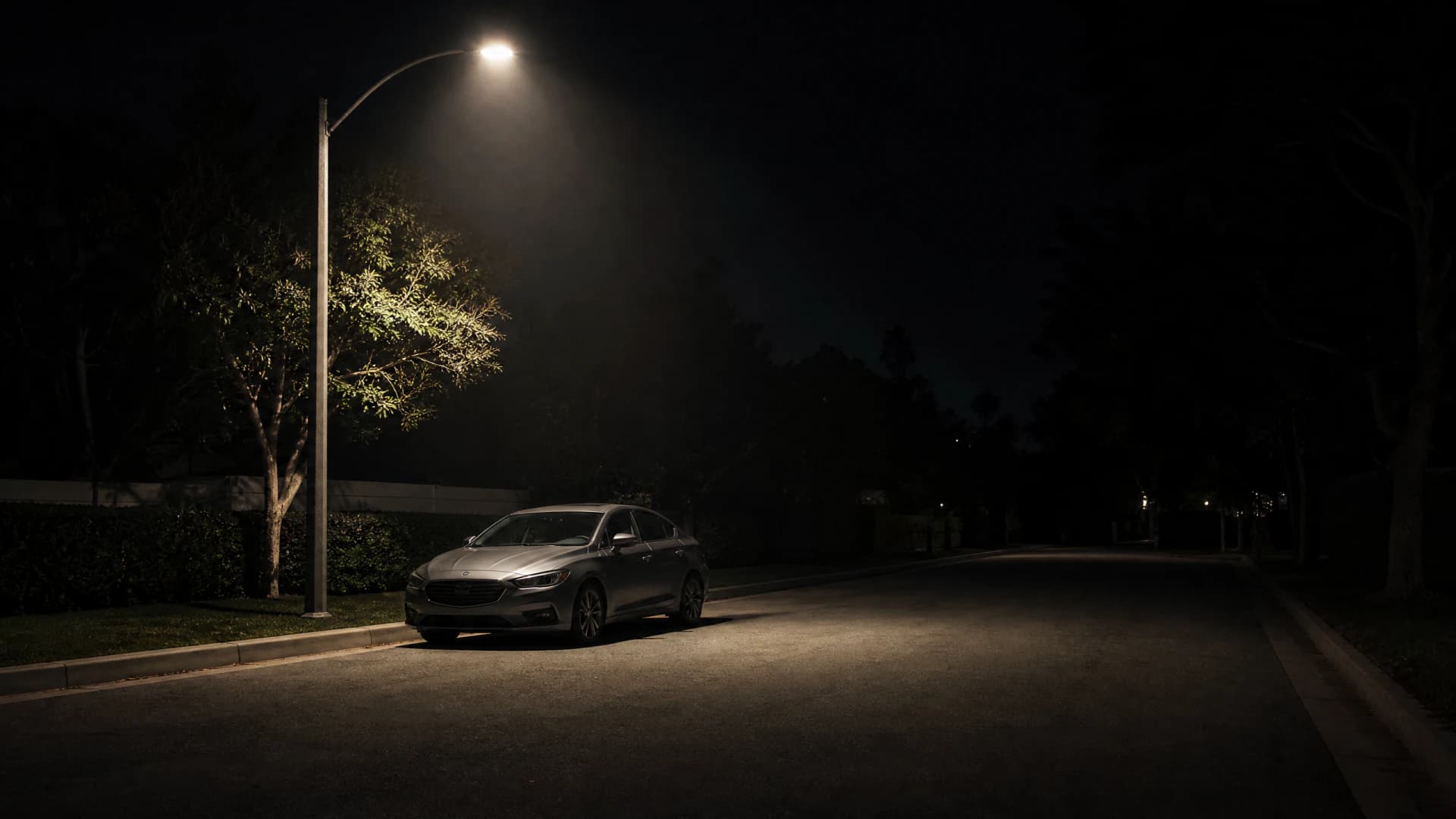
The minimum liability limits protect the state's registration requirement, not your household's assets. A single serious accident can exceed $50,000 per person in under an hour.
Related Articles



Choosing Limits That Match Your Household Exposure
Start with your household's total asset exposure. Add the equity in your home, the balance in savings and retirement accounts, and any other assets a plaintiff could pursue in a judgment. If that total exceeds $100,000, the state minimum limits leave you exposed.
Next, consider the drivers and vehicles on your policy. A household with a teenage driver faces higher accident risk than a household with two experienced adults. A household with three vehicles has three times the exposure of a household with one vehicle, because any of those vehicles can be involved in an accident on any given day. The more vehicles and the more drivers, the higher the probability that someone will eventually cause an accident that exceeds the minimum limits.
Compare the premium difference between minimum limits and each higher tier.
12.5%
Alaska Uninsured Motorist Rate
One in eight drivers in Alaska carries no insurance. If an uninsured driver hits you, your own uninsured motorist coverage pays for your injuries up to your policy limit. Higher liability limits often come with correspondingly higher uninsured motorist limits.
Insurance Information Institute, 2023

Umbrella Coverage and Multi-Vehicle Households
An umbrella policy sits on top of your auto liability coverage and pays after your auto policy limit is exhausted.
For a household with significant assets, an umbrella policy is the most cost-effective way to close the gap between your auto liability limits and your total exposure. It also covers liability claims that arise outside of auto accidents — a guest injured at your home, a dog bite, a lawsuit over a social media post.
Compare Carriers That Write Multi-Vehicle Policies in Alaska
Not every carrier prices higher liability limits the same way. Others offer better pricing on umbrella policies when you carry higher auto liability limits. The only way to know which carrier offers the best combination of multi-car discount and higher-limit pricing is to compare quotes with identical coverage specifications across multiple carriers.
Alaska has 15 carriers writing multi-vehicle policies with a range of liability limit options. Request quotes with your current limits and with at least two higher-limit tiers. Compare the per-vehicle cost, not just the total policy premium. The comparison tool on this site lets you specify your household's vehicles, drivers, and desired liability limits, then shows you which carriers write that combination and how their pricing compares. Start there, then narrow to the two or three carriers that offer the best combination of coverage and cost for your household.
How Higher Limits Work on a Multi-Vehicle Policy
The increase is not a flat dollar amount per vehicle — it's a percentage applied to the base premium, and that percentage is lower than the percentage increase in coverage.
The multi-car discount already reduces the per-vehicle cost on your policy. Higher liability limits layer on top of that discounted base. The more vehicles on the policy, the more the cost of higher limits is distributed. This is the structural advantage of a multi-vehicle policy — shared fixed costs, including the cost of higher liability protection.
Get Your Free Quote
Get My Alaska Car Insurance QuoteFrequently Asked Questions
Do I need the same liability limits on every vehicle on my Alaska policy?
Yes. Liability limits apply per accident, not per vehicle, and every vehicle on your policy carries the same limits. The limits you choose apply to the entire policy.
Does raising liability limits affect my multi-car discount in Alaska?
No. The multi-car discount applies to the base premium before liability limits are factored in. Raising your limits increases the premium, but the multi-car discount percentage remains the same. The discount still reduces the per-vehicle cost of the higher limits.
Can I carry higher liability limits than my lender requires in Alaska?
Yes. Your lender requires you to carry collision and comprehensive coverage while you have a loan or lease, but they do not set your liability limits. You can carry any liability limit you choose, as long as it meets Alaska's $50,000/$100,000/$25,000 minimum.
What happens if I cause an accident that exceeds my liability limits in Alaska?
The injured party can sue you personally for the difference between your policy limit and the total damages. If they win a judgment, they can pursue your assets — your home equity, your savings, your wages. Higher liability limits reduce that exposure.
Do higher liability limits cover my own injuries in an Alaska accident?
No. Liability coverage pays for injuries and property damage you cause to others. Your own injuries are covered by your health insurance, or by personal injury protection if you add it to your Alaska auto policy. Uninsured motorist coverage pays for your injuries if an uninsured driver hits you.
How do I know if I need an umbrella policy for my Alaska household?
Add up your household's total assets — home equity, savings, retirement accounts.