
Driving Without Insurance Suspension — Alaska
Free to compare
The 90-Day Suspension Window Starts Immediately
Alaska suspends your driver's license for 90 days when you're caught driving without insurance. The suspension begins the day the Division of Motor Vehicles processes the violation, not the day you purchase a policy or file proof of coverage. If you were pulled over last week and the DMV received the officer's report yesterday, your 90-day clock started yesterday.
Most drivers assume buying insurance immediately stops the suspension. It does not. The suspension runs its full 90 days regardless of when you obtain coverage. What insurance does is satisfy the reinstatement requirements at the end of that period, but only if you maintain it continuously and file the correct proof with the state.
“The suspension runs for the full 90 days from the DMV's processing date, and reinstatement requires proof you carried coverage continuously during that period.”

Meet Alaska's Requirements Without Overpaying
Get My Alaska Car Insurance Quote90 days
Alaska Uninsured Driving Suspension
The suspension is administrative, imposed by the Division of Motor Vehicles under Alaska's proof-of-insurance statute. It runs independently of any criminal penalties a court may impose for the same violation.
Alaska Division of Motor Vehicles
What the Suspension Actually Means for Your Household
During the 90-day suspension, you cannot legally drive any vehicle in Alaska. This includes vehicles registered to other household members and vehicles you do not own. The suspension attaches to your driver's license, not to a specific car. If you share a multi-car policy with a spouse or other household member, their driving privileges are unaffected, but you cannot drive any of those vehicles until reinstatement.
Alaska does offer a Limited License during suspension for drivers who meet eligibility criteria. The Limited License allows restricted driving for work, medical appointments, and other essential purposes. You apply by emailing the completed application to doa.dmv.limited@alaska.gov. The application fee is $100, and processing typically takes 10 business days. Both DUI and uninsured-driving violations are eligible for the Limited License, but you must complete or enroll in the ASAP program, pass required tests, and file SR-22 proof of insurance within 30 days of approval.
If your household relies on you to drive one of several vehicles, the Limited License may allow you to maintain that role during suspension. The $100 application fee is separate from the $100 reinstatement fee you will pay at the end of the suspension period.
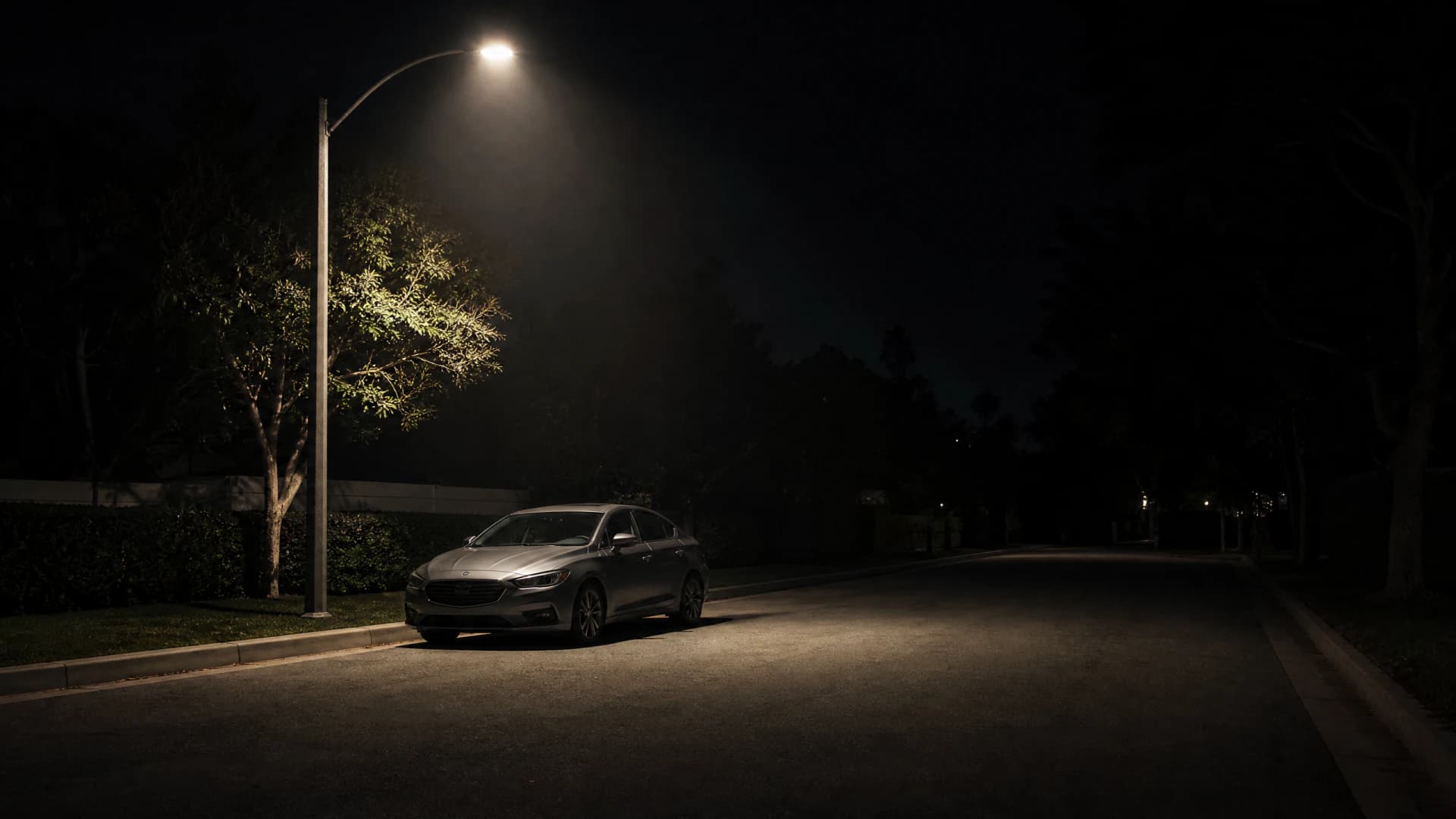
The suspension clock does not pause when you buy insurance. It runs for the full 90 days from the DMV's processing date, and reinstatement requires proof you carried coverage continuously during that period.
Related Articles





Reinstatement Requires Proof of Continuous Coverage
At the end of the 90-day suspension, you must pay a $100 reinstatement fee to the Division of Motor Vehicles and prove you carried insurance continuously during the suspension period. This is the step most drivers miss. Buying a policy on day 89 does not satisfy the requirement. The DMV requires proof you maintained coverage for the full 90 days, typically demonstrated by the SR-22 filing date and the policy's effective date.
If you let your previous policy lapse before the violation, you must purchase a new policy immediately and maintain it through the entire suspension. The carrier files the SR-22 when you buy the policy, and that filing date becomes your proof of coverage start. If you wait until day 30 to buy insurance, you have only 60 days of documented coverage at the end of the suspension period, and reinstatement will be delayed until you accumulate the full 90 days.
Processing reinstatement takes approximately 10 business days after the DMV receives your fee and verifies your SR-22 filing. If you apply for reinstatement and the DMV finds a coverage gap, you will be denied and must wait until the gap is resolved. For households insuring multiple vehicles, this means every car on your policy must remain continuously insured during your suspension, because a lapse on any vehicle triggers an SR-22 cancellation notice.
$100
Alaska License Reinstatement Fee
The fee applies whether you were suspended for driving uninsured, DUI, or another administrative violation. It is paid directly to the Division of Motor Vehicles and is separate from any court fines or SR-22 filing fees your carrier charges.
Alaska Division of Motor Vehicles

How the Violation Affects Multi-Car Policy Pricing
A driving-without-insurance violation changes how carriers price your household's multi-car policy. You are now classified as a high-risk driver, and that classification applies to every vehicle you are listed on as a driver. If you share a policy with a spouse or other household member, the carrier re-rates the entire policy when the violation is reported, not just the vehicle you were driving when cited.
Some carriers will non-renew a policy after an uninsured-driving violation. Others will renew but move you to a non-standard tier with higher premiums. The multi-car discount you previously received may shrink or disappear entirely, because the discount is calculated against a higher base rate. A household with three vehicles that previously paid one rate may see the total premium increase significantly, even though only one driver was cited.
When shopping for a new policy after suspension, compare carriers that specialize in high-risk and SR-22 coverage. Not all carriers write SR-22 policies, and those that do price them differently. In Alaska, carriers writing SR-22 coverage include Allstate, Farmers, Geico, Liberty Mutual, National General, Progressive, State Farm, The General, and USAA. Each prices multi-vehicle policies differently, and the carrier offering the lowest rate for a single vehicle may not offer the best rate for a household with multiple cars.
Compare Carriers Before Your Suspension Ends
Start comparing SR-22 carriers as soon as the suspension begins, not the week before reinstatement. Rates vary widely, and finding the best combination of SR-22 filing capability and multi-car pricing takes time. Request quotes from at least three carriers that write SR-22 policies in Alaska and confirm each quote includes every vehicle in your household. A policy that covers only the car you were driving when cited will not satisfy Alaska's SR-22 requirement if you regularly drive other household vehicles.
When comparing quotes, ask each carrier how they handle the three-year SR-22 period. Some carriers charge an annual SR-22 renewal fee; others include it in the premium. Some require you to maintain the same coverage level for the full three years; others allow you to adjust coverage as long as you meet Alaska's minimum liability limits. Understanding these differences now prevents surprises during the SR-22 period. Use the site's comparison tool to see which carriers write SR-22 policies for multi-vehicle households in Alaska and request quotes directly.
SR-22 Filing Requirement Lasts Three Years
SR-22 is a certificate your insurance carrier files with the Division of Motor Vehicles confirming you carry at least Alaska's minimum liability coverage: $50,000 per person for bodily injury, $100,000 per accident for bodily injury, and $25,000 for property damage. The carrier files the SR-22 electronically. You do not file it yourself. The filing fee is set by the insurer; Alaska charges no separate state SR-22 fee.
The three-year SR-22 period begins the day your license is reinstated, not the day you buy the policy. If your coverage lapses at any point during those three years, the carrier notifies the DMV and your license is suspended again immediately. The three-year clock resets, and you start over. Maintaining continuous coverage across all household vehicles on a single policy simplifies this requirement, because one lapse affects every driver on the policy.
Get Your Free Quote
Get My Alaska Car Insurance QuoteFrequently Asked Questions
Can I drive during the 90-day suspension if I buy insurance immediately?
No. The suspension runs for the full 90 days regardless of when you purchase insurance. Buying a policy satisfies the reinstatement requirement at the end of the suspension period, but it does not shorten or pause the suspension itself.
Does the SR-22 requirement apply to every vehicle I own?
The SR-22 requirement applies to you as a driver, not to a specific vehicle. If you drive multiple vehicles in your household, the SR-22 filing must cover a policy that includes every vehicle you regularly operate. A lapse on any vehicle triggers an SR-22 cancellation notice and suspends your license again.
What happens if my insurance lapses during the three-year SR-22 period?
Your carrier notifies the Division of Motor Vehicles immediately, and your license is suspended again. The three-year SR-22 clock resets, and you must start over. Maintaining continuous coverage for the full three years is the only way to satisfy the requirement.
Can I get a hardship license while my license is suspended for driving uninsured?
Yes. Alaska offers a Limited License for drivers suspended for uninsured driving. You apply by emailing the completed application to doa.dmv.limited@alaska.gov. The application fee is $100, processing takes approximately 10 business days, and you must file SR-22 within 30 days of approval.
How much does SR-22 filing cost in Alaska?
Alaska charges no state SR-22 filing fee. Some carriers also charge an annual renewal fee for the SR-22 certificate during the three-year filing period.
Will a driving-without-insurance violation affect my spouse's insurance rate?
Yes, if you share a multi-car policy. The carrier re-rates the entire policy when the violation is reported, not just the vehicle you were driving. Your spouse's rate increases because you are listed as a driver on the shared policy, even if they were not involved in the violation.