
Cheapest Car Insurance Companies — Alaska
Free to compare
Finding Multi-Car Coverage in Alaska's Limited Market
You own two or more vehicles in Alaska and you're trying to figure out which carrier will insure all of them on one policy without forcing you into a tier you don't need or pricing you out entirely. Alaska's carrier roster is smaller than most states — 14 companies write auto policies statewide — and not all of them offer the same multi-car discount structure or even write policies for households with three or more vehicles.
The structural challenge: Alaska's remote geography, high vehicle-theft rate (247 thefts per 100,000 population in 2024), and seasonal driving conditions mean carriers price risk differently here than in the Lower 48. A carrier advertising low rates nationally may not write competitively in Alaska, and a carrier with strong Alaska presence may not offer the multi-car discount at all. This article walks you through the 14 carriers operating in Alaska, what each writes for multi-car households, and how to structure your comparison when your options are constrained by geography rather than unlimited.
“Alaska's 14-carrier roster is the constraint — if a national brand doesn't appear in that list, it doesn't write auto policies here.”

Meet Alaska's Requirements Without Overpaying
Get My Alaska Car Insurance Quote$50,000/$100,000/$25,000
Alaska Minimum Liability
Alaska requires $50,000 bodily injury per person, $100,000 per accident, and $25,000 property damage. Every vehicle on your policy must carry at least these limits to register and drive legally. Multi-car policies apply these minimums per vehicle, not per policy.
Alaska Division of Motor Vehicles
What Multi-Car Actually Means in Alaska
A multi-car policy is a single auto insurance policy covering two or more vehicles garaged at the same address and titled to members of the same household. The multi-car discount applies when you insure multiple vehicles on one policy rather than splitting them across separate policies. Most carriers require every vehicle to sit on the same policy and share a garaging address for the discount to apply.
Alaska's carrier roster includes 14 companies writing auto policies statewide: Allstate, Amica, Country Financial, CSAA, Farmers, Geico, Hartford, Liberty Mutual, National General, Progressive, State Farm, The General, Travelers, and USAA. Not all 14 write multi-car policies the same way. Some cap the number of vehicles per policy at three or four. Others write policies for larger fleets but tier them into non-standard categories that raise the base rate. A few carriers do not advertise a multi-car discount at all, instead pricing each vehicle individually and offering no same-policy reduction.
The structural reality you're navigating: Alaska's small carrier pool means you cannot assume every national brand writes here, and you cannot assume the carriers that do write here offer the same product mix they offer in larger states. A carrier with strong multi-car pricing in California may not write Alaska at all, and a carrier with Alaska presence may not write households with more than two vehicles without moving you into a higher tier.
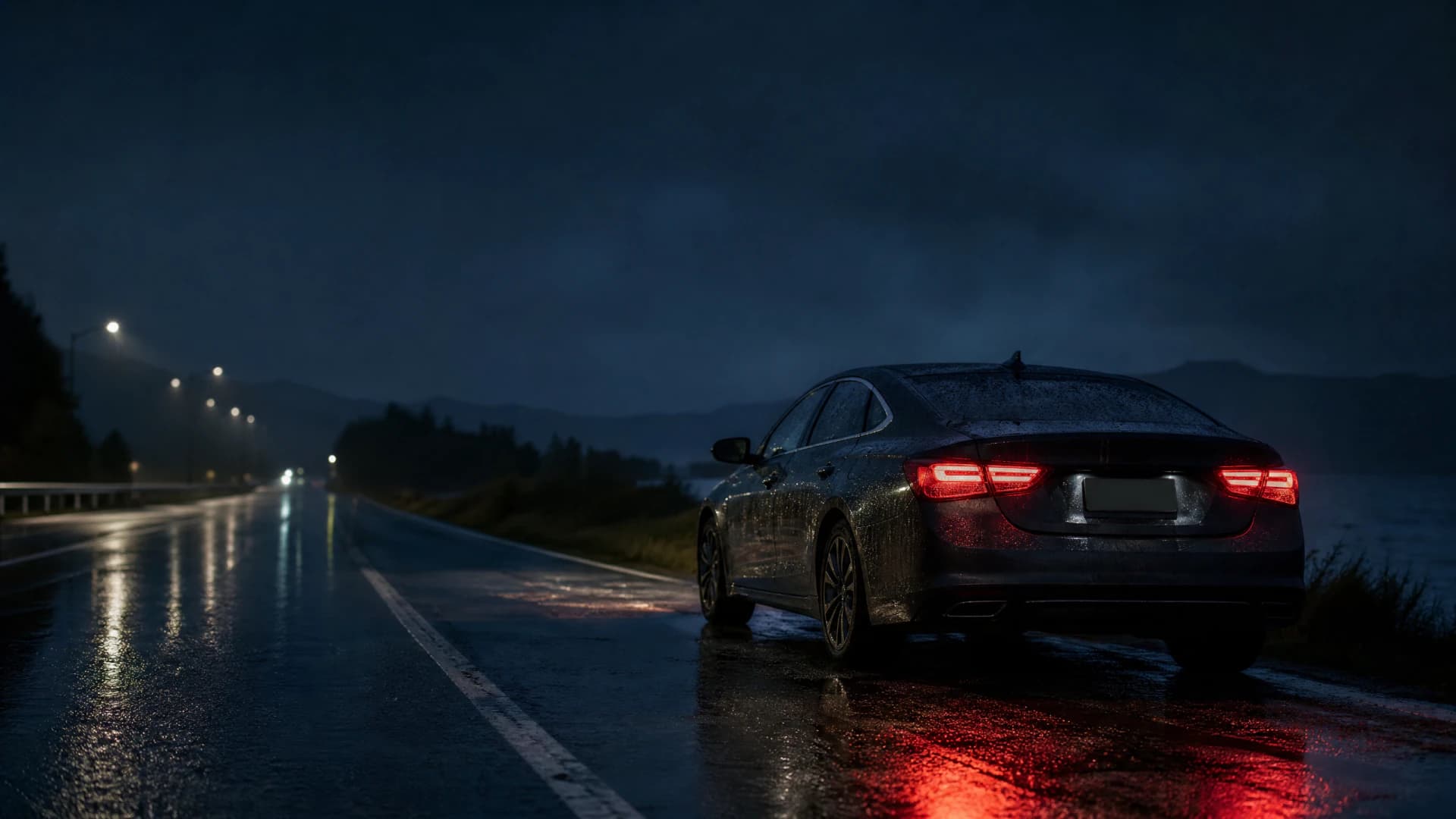
Alaska's 14-carrier roster is the constraint. If a national brand does not appear in the list above, it does not write auto policies in Alaska.







How Alaska's Geography Affects Multi-Car Pricing
Alaska's 663,300 square miles and sparse population (521,220 licensed drivers in 2022) mean carriers price risk by region more aggressively than in contiguous states. A household in Anchorage may see competitive multi-car rates from all 14 carriers, while a household in a remote borough may find only three or four carriers willing to write the policy at all. Carriers that do write remote areas often price the second and third vehicles higher than the first to offset claims risk in regions with limited repair infrastructure and longer emergency-response times.
Alaska's vehicle-theft rate (247 thefts per 100,000 population in 2024) is higher than the national average, and comprehensive coverage premiums reflect that. When you add a second or third vehicle to a policy, the carrier re-rates the entire policy based on the combined theft and collision risk of all vehicles. A household adding an older SUV or truck — common in Alaska for winter driving — may see the comprehensive premium rise more than expected because those vehicle types are stolen more frequently than sedans.
Alaska's seasonal driving conditions (winter ice, reduced daylight, wildlife crossings) increase collision frequency. Carriers writing multi-car policies here price collision coverage higher than in temperate states, and they may require higher liability limits or lower deductibles for households with three or more vehicles. If you're comparing carriers and one quotes significantly lower than the others, check whether it is excluding collision or comprehensive coverage, capping the number of vehicles it will insure, or moving you into a non-standard tier that limits coverage options.
14 carriers
Alaska Auto Insurance Market
Fourteen carriers write auto insurance policies statewide in Alaska. This smaller roster compared to states like California or Texas means fewer options for multi-car households and less price competition. When comparing carriers, verify each writes your specific household configuration before requesting quotes.
Alaska Division of Insurance
Structuring Your Comparison for Multiple Vehicles
Start by confirming which of the 14 carriers write policies for your household's vehicle count. If you own two vehicles, all 14 will likely quote. If you own three or more, narrow the list to carriers that explicitly write larger households: Geico, Progressive, State Farm, Allstate, Farmers, and USAA (if eligible). Request quotes from at least three carriers in your tier to establish a baseline.
When comparing quotes, verify that each carrier is quoting the same coverage limits and deductibles across all vehicles. Alaska requires $50,000/$100,000/$25,000 liability as the minimum, but many carriers recommend higher limits for multi-car households because a single at-fault accident involving multiple vehicles can exceed minimum limits quickly. A lower quote on minimum coverage is not necessarily cheaper once you adjust for adequate protection.
Ask each carrier how adding or removing a vehicle mid-term affects the policy. Most carriers re-rate the entire policy when you add a vehicle, which means the premium for all vehicles may change, not just the new one. Some carriers allow you to add a vehicle online and see the new total premium immediately; others require a phone call and a full underwriting review. If you anticipate adding or removing vehicles frequently — for example, a household with college-age drivers who take cars on and off the policy seasonally — choose a carrier that handles mid-term changes without re-underwriting the entire household each time.
Compare Carriers Writing Your Household
Alaska's 14-carrier market means your comparison starts with confirming which carriers write your specific household configuration, then requesting quotes from at least three that do. The carriers writing the most multi-car policies in Alaska — Geico, Progressive, State Farm, Allstate — maintain online quoting tools that let you enter multiple vehicles and see combined premiums immediately. Preferred-tier carriers like USAA and Amica may offer lower base rates if you qualify, but their underwriting is stricter and they may decline households with recent violations or non-standard vehicles.
Use Alaska's required minimums ($50,000/$100,000/$25,000 liability) as your baseline, then compare quotes at higher limits to see how much additional protection costs per vehicle. Multi-car households benefit from higher liability limits because a single accident involving multiple vehicles can exceed minimums quickly, and Alaska's fault-based system means the at-fault driver's liability coverage pays for all damages up to the policy limit. If you're adding a third or fourth vehicle, ask each carrier whether it caps the number of vehicles per policy and whether adding another vehicle moves you into a different tier.
Carriers Writing Multi-Car Policies in Alaska
Preferred-tier carriers (State Farm, USAA, Amica) write the lowest base rates but qualify households more strictly. They typically offer multi-car discounts and write policies for households with three or four vehicles, but they may decline to write a household with recent violations, a teen driver with their own vehicle, or a non-standard vehicle type. USAA restricts eligibility to military members, veterans, and their families. Amica and State Farm write broader audiences but still screen for clean driving records and standard vehicle types.
Standard-tier carriers (Geico, Progressive, Allstate, Farmers, Liberty Mutual, Travelers, National General, Hartford, Country Financial, CSAA) write the majority of Alaska's multi-car households. These carriers balance competitive base rates with broader underwriting. Most write households with three or more vehicles and offer explicit multi-car discounts. Geico, Progressive, and Allstate write the largest volume of multi-car policies nationally and maintain strong Alaska presence. Farmers and Liberty Mutual write Alaska statewide and offer multi-car discounts, but their base rates vary significantly by ZIP code due to Alaska's remote geography. National General, Hartford, Country Financial, and CSAA write Alaska but do not advertise multi-car discounts prominently — they price each vehicle individually and may or may not reduce the combined premium when you add a second or third car.
Get Your Free Quote
Get My Alaska Car Insurance QuoteFrequently Asked Questions
Which car insurance companies write multi-car policies in Alaska?
Fourteen carriers write auto insurance in Alaska: Allstate, Amica, Country Financial, CSAA, Farmers, Geico, Hartford, Liberty Mutual, National General, Progressive, State Farm, The General, Travelers, and USAA. Geico, Progressive, State Farm, Allstate, Farmers, and USAA write the majority of multi-car policies statewide. Not all carriers write households with three or more vehicles.
What are Alaska's minimum car insurance requirements for multiple vehicles?
Alaska requires $50,000 bodily injury per person, $100,000 per accident, and $25,000 property damage. These minimums apply per vehicle, not per policy. Every vehicle on your multi-car policy must carry at least these limits to register and drive legally in Alaska.
Do all carriers in Alaska offer a multi-car discount?
No. Most standard-tier carriers (Geico, Progressive, Allstate, State Farm, Farmers) offer explicit multi-car discounts when you insure two or more vehicles on one policy. Some carriers (National General, Hartford, Country Financial, CSAA) price each vehicle individually and may not reduce the combined premium when you add a second or third car.
How does Alaska's geography affect multi-car insurance rates?
Alaska's remote geography and sparse population mean carriers price risk by region more aggressively than in contiguous states. Households in Anchorage see competitive rates from all 14 carriers, while households in remote boroughs may find only three or four carriers willing to write the policy. Carriers writing remote areas often price the second and third vehicles higher to offset claims risk.
Can I insure three or more vehicles on one policy in Alaska?
Yes, but not all carriers write households with three or more vehicles. Geico, Progressive, State Farm, Allstate, Farmers, and USAA write policies for larger households. Some carriers cap the number of vehicles per policy at three or four, and others move households with more vehicles into a non-standard tier that raises the base rate.
What happens when I add a vehicle to my Alaska multi-car policy mid-term?
Most carriers re-rate the entire policy when you add a vehicle, which means the premium for all vehicles may change, not just the new one. Some carriers allow you to add a vehicle online and see the new total premium immediately; others require a phone call and a full underwriting review.