
Best Car Insurance Companies in Alaska
Free to compare
Why Carrier Choice Matters for Multi-Vehicle Households
You own two or more vehicles in Alaska and you're trying to figure out which carrier gives you the best combination of multi-car discount, policy flexibility, and coverage options across all your cars. The state's carrier roster includes 14 companies writing auto policies, but not all of them structure their multi-vehicle products the same way. Some carriers require every vehicle to sit on one policy to qualify for the discount; others let you split vehicles across policies within the same household and still get a break. Some carriers write comprehensive coverage and collision readily for older vehicles; others restrict it based on vehicle age or value.
The structural reality: Alaska's small market means fewer carriers compete here than in the Lower 48, and the carriers that do write policies often specialize. A carrier strong in standard preferred-tier multi-car households may not write non-owner policies or high-risk coverage. A carrier that writes SR-22 filings and after-DUI policies may not offer the deepest multi-vehicle discount for clean-record households. You need to match your household's vehicle count, coverage needs, and driver profiles to the carriers that actually write what you need.
“Alaska's 14-carrier market forces multi-vehicle households to choose between deep discounts and specialty coverage — the two groups rarely overlap.”

Meet Alaska's Requirements Without Overpaying
Get My Alaska Car Insurance Quote$50,000/$100,000/$25,000
Alaska Minimum Liability Limits
Alaska requires $50,000 bodily injury per person, $100,000 per accident, and $25,000 property damage. Every vehicle on your policy must carry at least these limits to meet state registration and proof-of-insurance requirements.
Alaska Division of Motor Vehicles
How Multi-Car Discounts Work Across Carriers
The multi-car discount applies when you insure two or more vehicles on the same policy with the same carrier. Most carriers in Alaska require all vehicles to be garaged at the same address and titled to members of the same household. The discount typically reduces the premium for the second vehicle and each additional vehicle beyond that, but the structure varies by carrier.
State Farm, Allstate, and USAA write preferred-tier multi-vehicle policies and typically offer the deepest discounts for households with three or more cars and clean driving records. Progressive, Geico, and Farmers write standard-tier multi-vehicle policies and structure their discounts to compete on total household premium rather than per-vehicle savings. National General and The General write non-standard and high-risk multi-vehicle policies, and their discount structures prioritize acceptance over savings.
The same-policy requirement is the structural blocker most households miss. If you own three vehicles but one is titled to a household member who maintains a separate policy with a different carrier, that vehicle does not count toward your multi-car discount. If you're combining policies after a marriage or a move, you need to consolidate every vehicle onto one carrier's policy to capture the full discount.
Carriers that write non-owner policies (Geico, Progressive, USAA, National General, The General, Travelers) let you add a non-owner policy to a household policy, but the non-owner policy does not count as a vehicle for multi-car discount purposes. It covers the driver, not a car, so it sits outside the multi-vehicle calculation.

If your household owns vehicles titled to different people or garaged at different addresses, most carriers will not apply the multi-car discount across all of them.






Non-Standard Carriers and High-Risk Multi-Vehicle Policies
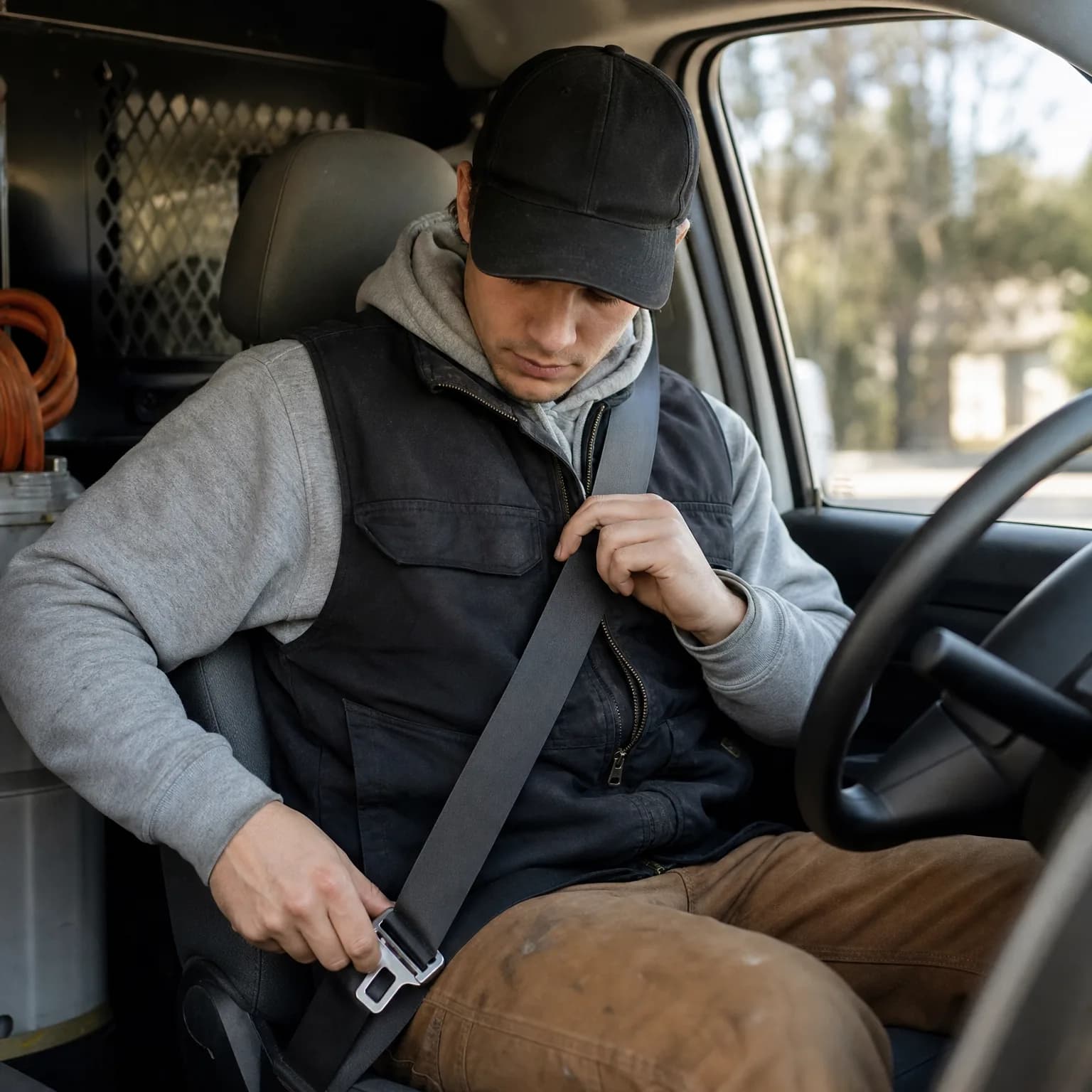
Non-standard carriers (National General, The General) write multi-vehicle policies for households that preferred-tier and standard-tier carriers decline: multiple DUI convictions, suspended licenses requiring SR-22 filing, recent at-fault accidents with injury claims, or lapses in coverage longer than 30 days. These carriers accept higher-risk households and structure their premiums accordingly. The multi-car discount exists, but the base premium is higher than standard-tier carriers, so the total household cost often exceeds what a clean-record household would pay with a preferred-tier carrier.
National General and The General both write SR-22 filings, non-owner policies, and after-DUI coverage. If your household includes one high-risk driver and two or three clean-record drivers, you face a structural choice: keep everyone on one non-standard policy and pay the higher base rate across all vehicles, or split the high-risk driver onto a separate non-standard policy and keep the clean-record drivers on a standard-tier multi-vehicle policy. The second option loses the multi-car discount on the high-risk driver's vehicle but often lowers the total household premium.
The structural blocker: most households assume one policy is always cheaper. It is not. When one driver's risk profile pulls the entire household into non-standard underwriting, splitting policies and losing the multi-car discount on one vehicle can save money overall. Compare both structures before committing.
14 carriers
Alaska Auto Insurance Market
Alaska's carrier roster includes 14 companies writing auto policies as of current state licensing records. The small market size means fewer carriers compete here than in larger states, and carrier choice matters more when structuring multi-vehicle policies.
Alaska Division of Insurance

Coverage Options That Vary by Carrier
Alaska does not mandate uninsured motorist coverage or personal injury protection, but 12.5% of Alaska drivers are uninsured. Carriers structure uninsured and underinsured motorist coverage differently: some include it automatically at the same limits as your liability coverage, others offer it as an optional add-on, and a few exclude it entirely on non-standard policies. If you're insuring multiple vehicles, uninsured motorist coverage applies per policy, not per vehicle, so one policy covering three cars gives you the same uninsured motorist protection as one policy covering one car.
Collision and comprehensive coverage availability varies by vehicle age and value. Preferred-tier carriers (State Farm, USAA, Amica) write comprehensive and collision on older vehicles with agreed-value or stated-value endorsements. Standard-tier carriers (Geico, Progressive, Allstate) typically restrict comprehensive and collision to vehicles less than 10 years old or worth more than a carrier-specific threshold. Non-standard carriers (National General, The General) write comprehensive and collision on newer vehicles but often exclude it on vehicles older than 15 years.
How to Compare Carriers for Your Household
Start by counting your vehicles and identifying each driver's profile: clean record, minor violation, DUI or suspended license, teen driver, senior driver over 69. Match that profile to the carrier tiers above. If every driver has a clean record and you own two or more vehicles, get quotes from preferred-tier and standard-tier carriers. If one driver has a DUI or requires SR-22 filing, get quotes from standard-tier carriers that write SR-22 (Geico, Progressive, Farmers, Allstate, Liberty Mutual) and from non-standard carriers (National General, The General).
Request quotes for two structures: one policy covering all vehicles, and separate policies splitting the high-risk driver from the clean-record drivers. Compare the total household premium for both structures. The multi-car discount on one policy does not always beat the base-rate difference between tiers when you split policies. Alaska's small carrier roster means you may see wider premium spreads between carriers than you would in a larger state, so comparing at least three carriers per tier is critical.
Carriers by Tier and Multi-Vehicle Fit
Preferred-tier carriers (State Farm, USAA, Amica) write multi-vehicle policies for households with clean driving records, good credit where lawful, and no recent at-fault accidents. These carriers typically offer the deepest multi-car discounts and the most flexible policy structures, including agreed-value coverage for classic or collector vehicles and comprehensive coverage for older cars. USAA restricts eligibility to military members, veterans, and their families. Amica writes in Alaska but does not confirm SR-22 or after-DUI coverage, so households with any high-risk driver may not qualify.
Standard-tier carriers (Geico, Progressive, Allstate, Farmers, Liberty Mutual, Travelers, Hartford, Country Financial, CSAA) write multi-vehicle policies for a broader range of households, including those with minor violations, recent accidents, or moderate credit. These carriers compete on total household premium and often structure their multi-car discounts to beat preferred-tier carriers when the household includes a mix of low-risk and moderate-risk drivers. Geico, Progressive, and Farmers write SR-22 filings and after-DUI policies, so they can keep a household together even when one driver has a violation. Travelers writes non-owner policies but does not confirm SR-22 or after-DUI coverage.
Get Your Free Quote
Get My Alaska Car Insurance QuoteFrequently Asked Questions
Which Alaska carriers offer the best multi-car discounts?
State Farm, USAA, and Amica typically offer the deepest multi-car discounts for preferred-tier households with clean records. Progressive, Geico, and Allstate compete on total household premium for standard-tier households. Compare quotes from at least three carriers in your tier to find the lowest total cost across all your vehicles.
Can I get a multi-car discount if my vehicles are titled to different people?
Most Alaska carriers require all vehicles on the policy to be titled to members of the same household and garaged at the same address to qualify for the multi-car discount. If vehicles are titled to people outside your household or garaged at different addresses, the discount typically does not apply.
Do I need uninsured motorist coverage in Alaska?
Alaska does not mandate uninsured motorist coverage, but 12.5% of Alaska drivers are uninsured. Carriers structure it as optional or automatic; when you insure multiple vehicles on one policy, uninsured motorist coverage applies per policy, not per vehicle.
Which carriers write SR-22 filings for multi-vehicle households in Alaska?
Geico, Progressive, Farmers, Allstate, Liberty Mutual, National General, The General, and USAA write SR-22 filings in Alaska. If one driver in your household requires SR-22, these carriers let you keep all vehicles on one policy, though the base premium will reflect the high-risk driver's profile.
Should I split my household onto separate policies if one driver has a DUI?
Compare both structures: one policy covering all vehicles versus separate policies splitting the high-risk driver from clean-record drivers. The multi-car discount on one policy does not always beat the base-rate difference when you split policies. Get quotes for both and compare total household cost.
How does Alaska's small carrier market affect multi-vehicle policy pricing?
Alaska's 14-carrier roster is smaller than most states, so fewer carriers compete for your business. Premium spreads between carriers can be wider, and carrier choice matters more when structuring multi-vehicle policies. Comparing at least three carriers per tier is critical to finding the lowest total household cost.